

Bank of Canada Cuts Interest Rate to 2.75% in Response to Tariff Pressures — A Major Boost for the Real Estate Market?
The central bank governor's latest remarks reveal the considerations behind the interest rate cut.
Positive economic data and a robust job market
How will interest rate cuts affect the real estate market? How can homebuyers and investors seize the opportunities?
The Bank of Canada announced an interest rate cut to 2.751 TP3T due to the impact of the trade war on the economic outlook.

On the morning of March 12, the Bank of Canada officially announced a 25 basis point cut to its benchmark interest rate, bringing it to 2.751 TP3T. This rate cut is driven by the impact of the recent uncertainty surrounding the Canada-US trade war on business investment, employment, and market confidence.
At a press conference, Bank of Canada Governor Tiff Macklem emphasized that while the Canadian economy continues to show some resilience, the uncertainty surrounding trade frictions is having a "profound impact" on business spending and consumer confidence.
“"While the specific impact of the new tariffs is still difficult to see at this time, our research shows that businesses are already adjusting their operating strategies, and consumer spending patterns are also being affected." — Macklem
A summary of economic data:
GDP growth in the fourth quarter of 2024 was 2.61 billion T/T, indicating a sound economic fundamentals.
Job growth was strong from November 2024 to January 2025, with the unemployment rate falling to 6.61%.
However, affected by the trade war, companies have begun to adjust their pricing and investment strategies.
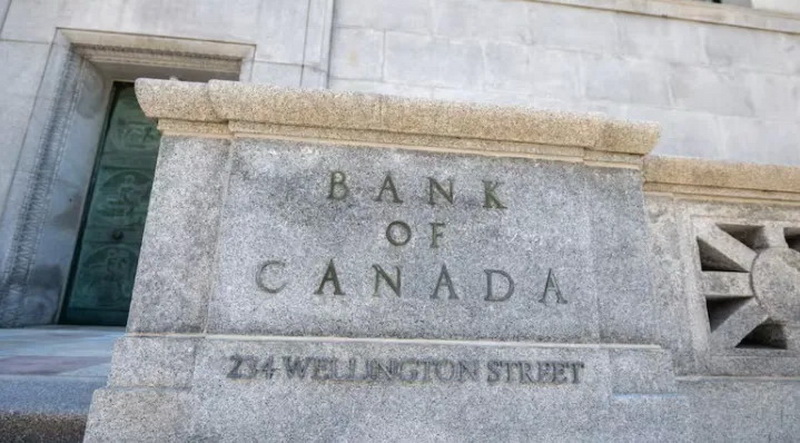
The central bank's decision is both to offset the downward pressure on the economy caused by tariffs and to send a signal of policy easing and boost market confidence, provided that inflation is under control.
How will the interest rate cut affect the real estate market? Good news for homebuyers!
A rate cut means lower bank lending costs and lower mortgage rates for homebuyers, which directly impacts the real estate market.
The housing market may be poised to benefit from three major positive developments:
Homebuyers' affordability has improved: Lower loan interest rates mean lower monthly payments, making it easier for more potential homebuyers, especially first-time buyers, to enter the market.
Rising demand and a housing market recovery: In major cities like Toronto and Vancouver, declining mortgage costs may attract more people to the market, stimulating housing transactions.
Investor confidence is returning: interest rate cuts reduce financing costs, making real estate investment relatively more attractive and potentially driving up housing prices further.
In the Toronto market, for example, a homebuyer who would normally pay a mortgage rate of 5.51 TP3T could now get a loan at 5.251 TP3T. Even a small rate cut could save thousands of Canadian dollars in interest expenses in the long run.
Expert opinion: A rebound in the real estate market may not happen immediately, but the cumulative effect of declining interest rates will gradually become apparent in the coming months.
Interest rate cuts are beneficial to the housing market, but housing affordability remains a concern.

While interest rate cuts are beneficial to the housing market, industry insiders also warn that rapid price increases could further exacerbate housing affordability issues.
Currently, the housing supply and demand imbalance persists in Canada, especially in major cities where market demand is strong while supply is limited, which may lead to continued price increases.
“If home prices continue to rise, first-time homebuyers could face even greater difficulties.” — Real estate analyst Mark Li
How should homebuyers respond?
Take advantage of this opportunity to lock in lower mortgage rates: If you're planning to buy a home, now is a time to pay attention.
Considering long-term market trends: a housing market recovery may push up prices, so plan your finances in advance.
Pay attention to government housing policies: The government may introduce new policies to control the rapid rise in housing prices.
Interest rate cuts present new opportunities for the housing market, but careful decision-making is still necessary.
The Bank of Canada's interest rate cut is both a response to the impact of the trade war and a signal to stimulate the economy. For the real estate market, lower borrowing costs may boost market activity, but homebuyers still need to pay attention to the market's long-term trends.