
CCCA Visits a Canadian Charitable Organization – Mon Sheong Foundation
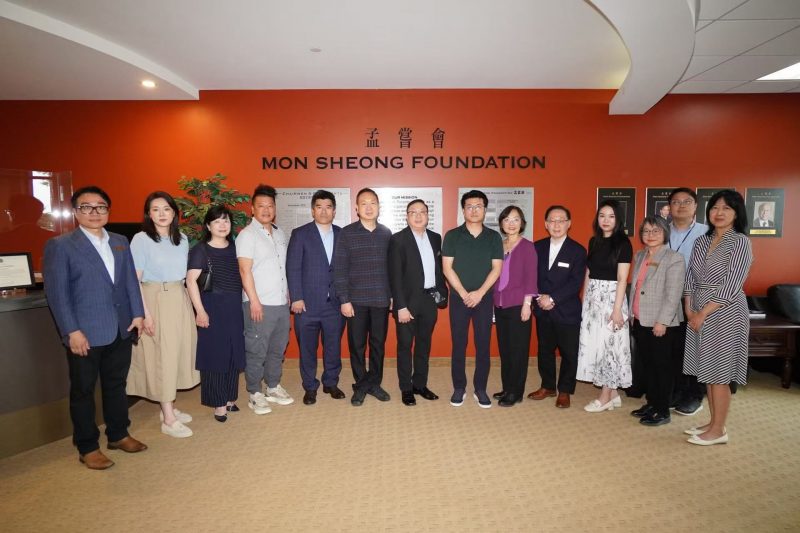
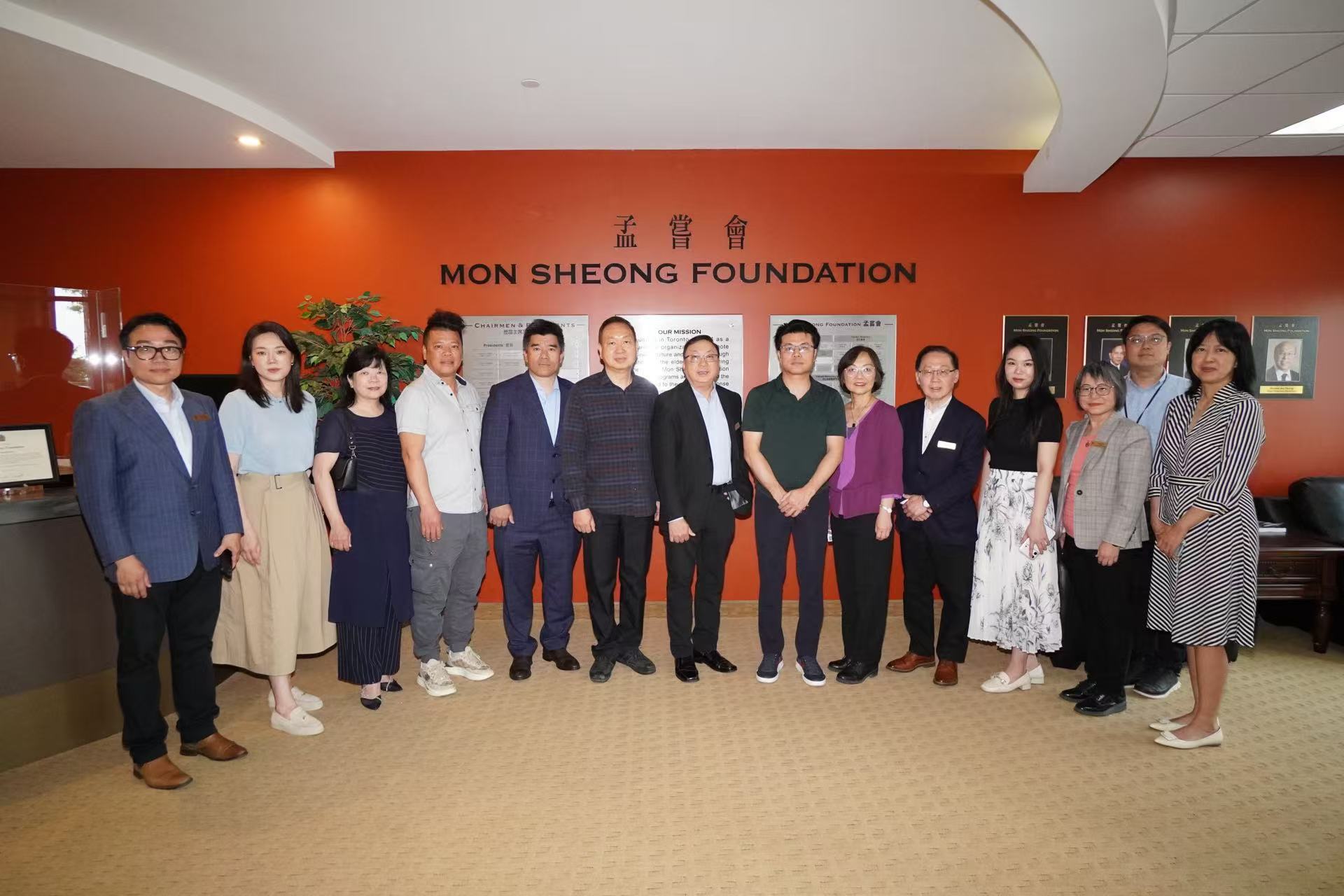
On June 11, 2026, a delegation from the Canadian Chinese Construction Association (CCCA), led by President Alex Huang and Founding President and Chief Supervisor Raymond Wan, visited the Mon Sheong Foundation's integrated care community in Richmond Hill. It was the association's first time stepping inside a Canadian senior-care home to see, up close, how it operates and how it cares for its residents. For an organization rooted in the building industry, the visit was more than a tour: how senior-care facilities are built, and how well they fit the bodies and daily lives of older adults, is precisely where the industry and the community meet.
The Delegation
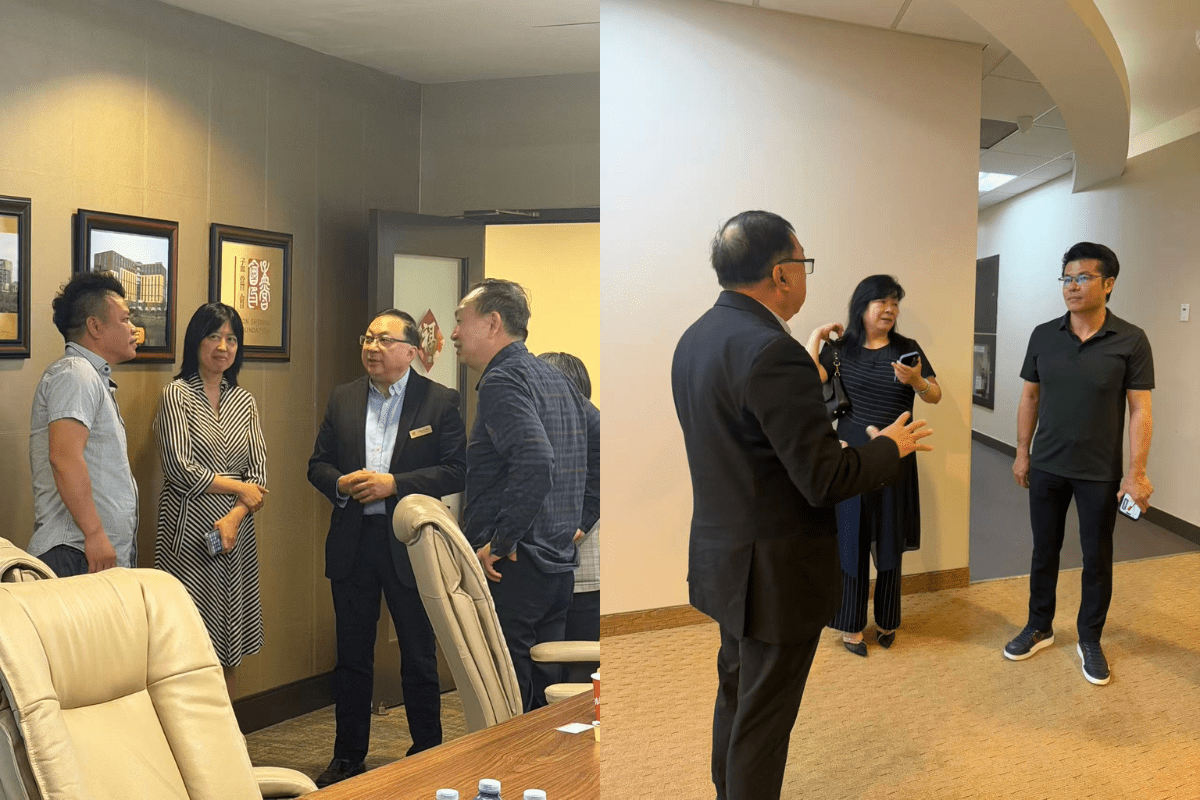
The visiting delegation consisted of CCCA directors and member representatives. Those attending included President Alex Huang (Amway Power Engineering), Founding President and Chief Supervisor Raymond Wan (Oriental Architecture), Vice President Chi Wing Yan, Secretary-General Iris Zhu (Irisky Wealth Management), Chief Financial Officer Jenny Li (Wisetronic), Director William Cao (Hongfeng Windows and Doors), Director Andy Gao (Dacheng Glass), and Head of Development Sue.
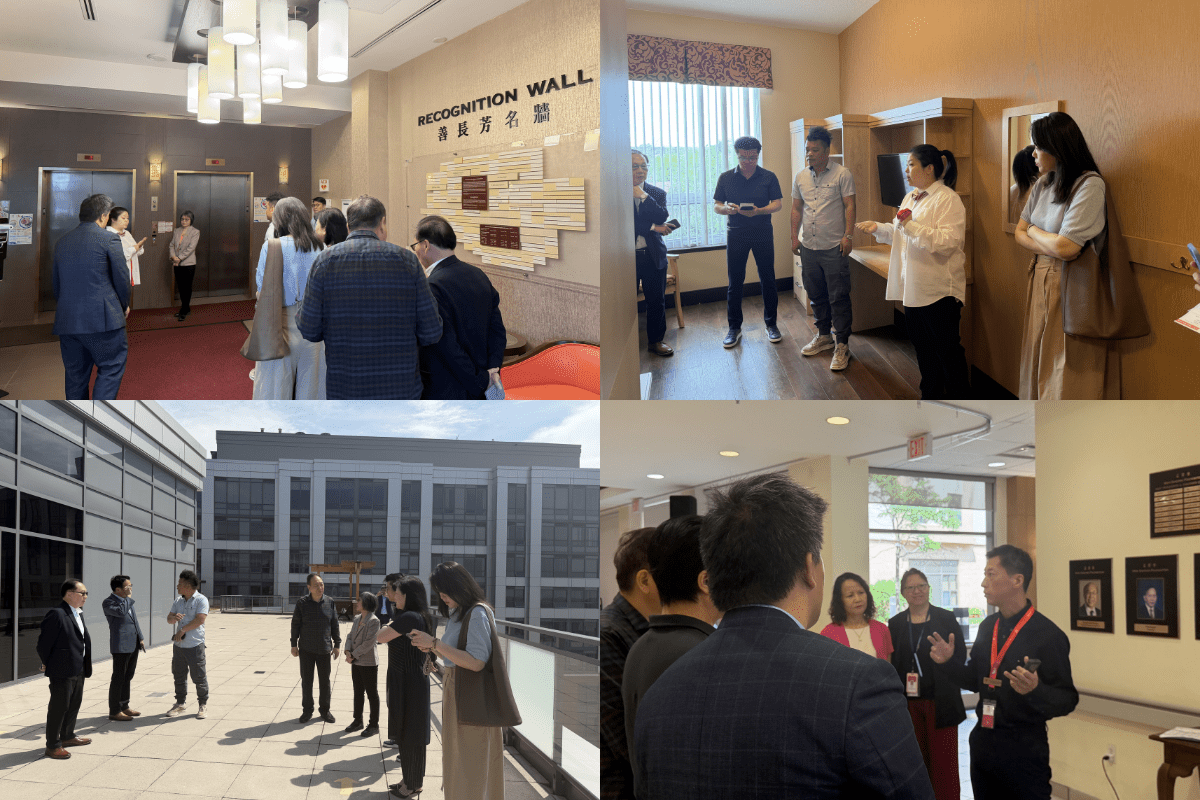
On the Mon Sheong side, the delegation was received by Chief Operating Officer Eumie Leung, together with Director of Development & Communications, Director Wong Chan Yuk, Deputy Director of Development, Kang Kai (Project Planning Officer) and Donation Coordinator, who guided the group throughout the visit.
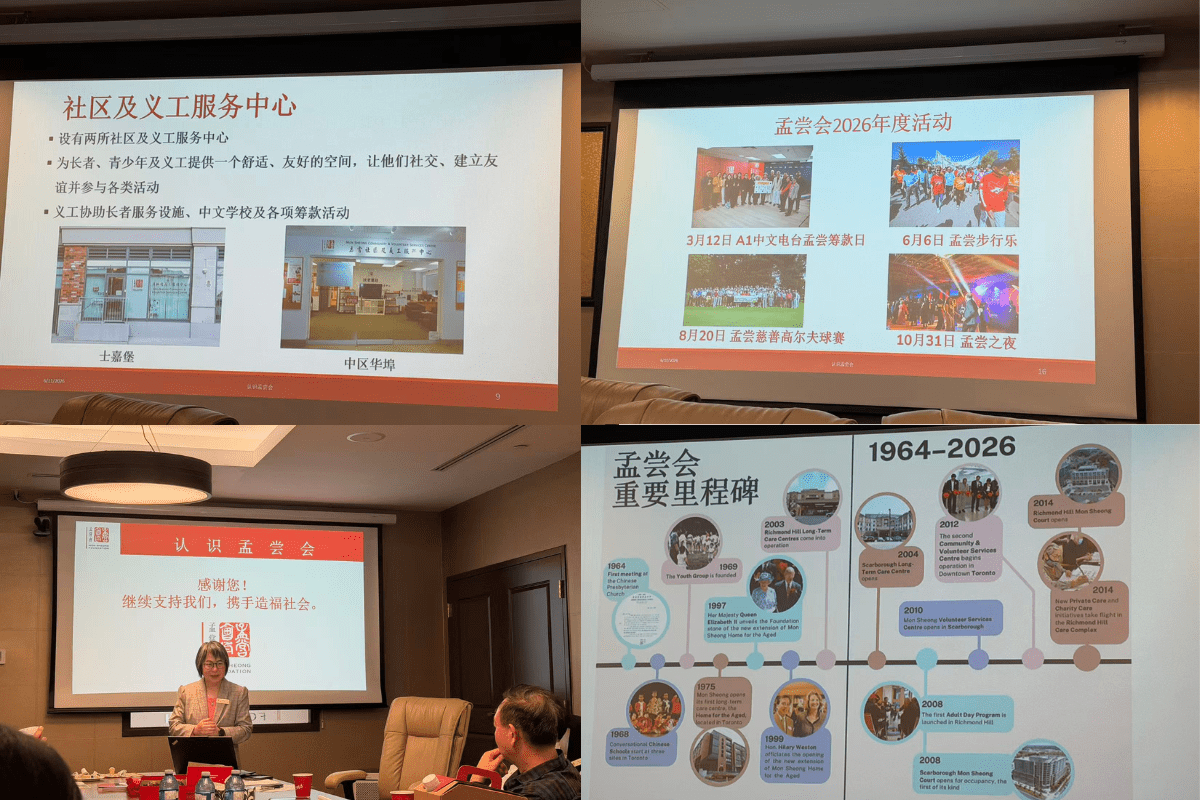
Mon Sheong Foundation: Six Decades of Community Eldercare
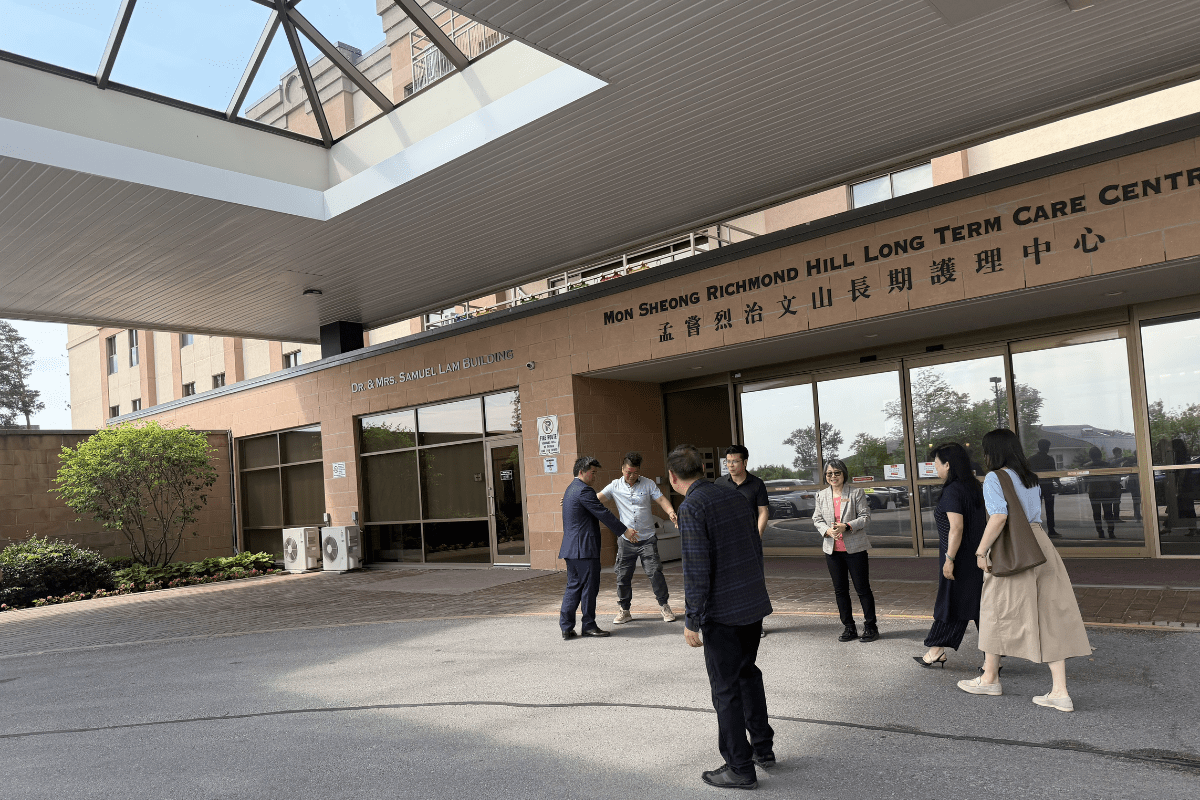
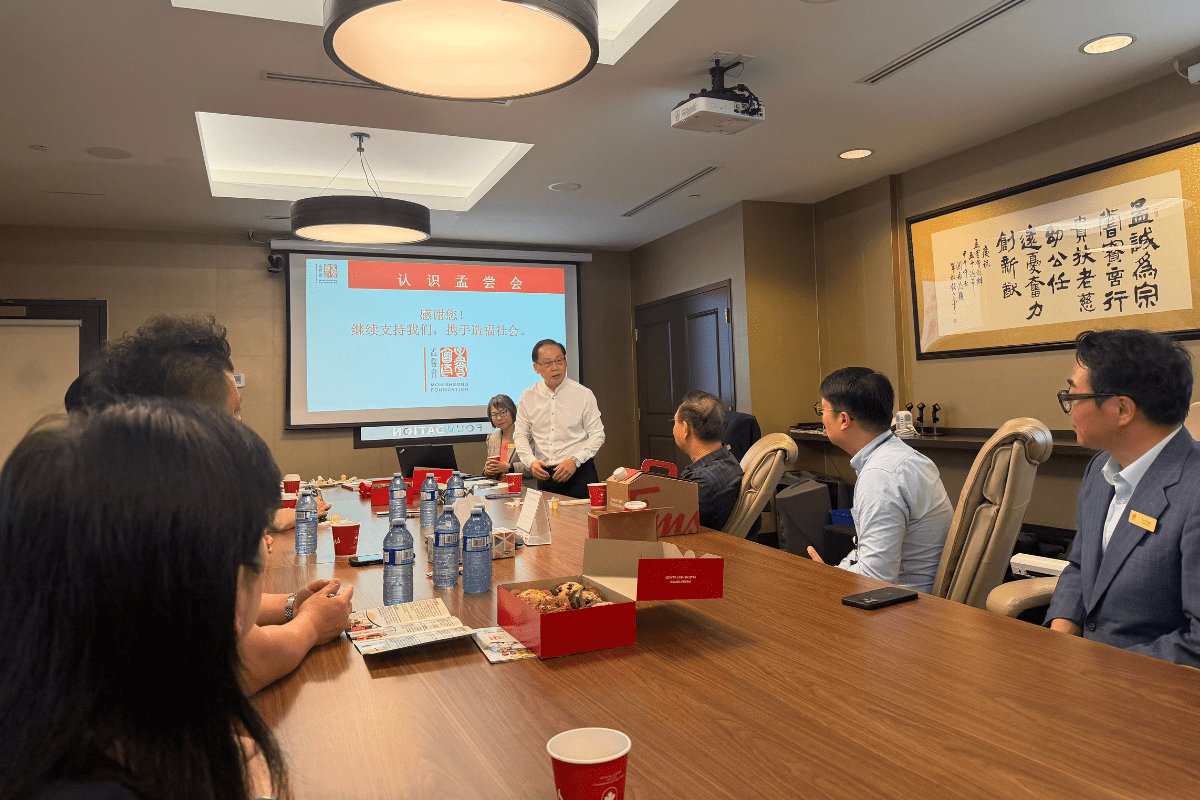
Founded in 1964, the Mon Sheong Foundation is Canada's first registered Chinese charitable organization. Its name comes from Lord Mengchang, and its mission is to care for the elderly, encourage the young, and promote Chinese culture. Over more than sixty years it has grown into the largest non-profit long-term care operator in Ontario, currently running 1,001 long-term care beds alongside senior apartments, adult day programs, a Chinese school, and other services. The Richmond Hill campus we visited brings three different levels of senior care together in one place, forming a clear spectrum from independent living to full nursing care.
Three Care Models
The first is the Senior Apartment (also known as Mon Sheong Court), which offers a safe and comfortable home for seniors who are independent and mobile. Designed for those aged 55 and over, units are individually purchased with no waiting list. It features 24-hour closed-circuit television monitoring, emergency medical call systems in both rooms and corridors, and a dining room offering a variety of meals along with meal-delivery service. The building also houses a recreation room, an elegantly designed dining hall, a library, a clinic, and a pharmacy, so that residents can meet all their daily needs without leaving home.
The second is Private Care, for those needing daily assistance. It requires no waiting and is privately paid. Many families choose it precisely because the wait for government-funded long-term care is simply too long to bear.
The third is the Long-Term Care Centre, for adults aged 18 and over who require 24-hour health care. It is government-funded, with rates set by the province and standard across Ontario.
Between Supply and Demand: A Community Issue Worth Facing
Waiting lists were an unavoidable theme of the visit. According to the Ontario Long Term Care Association, more than fifty thousand people across the province are currently waiting for a long-term care bed; and according to the Mon Sheong Foundation, the average wait across its own homes is about five to seven years. Behind these figures is a clear trend: the population is aging rapidly. In York Region, the senior population is projected to roughly triple over the next two decades, making the pressure on care beds ever more acute.
For CCCA, this is the moment the issue turns from abstract to concrete — because the other side of a bed shortage is a test of our capacity to build.
Senior-Care Facilities Are, at Heart, a Building Challenge
Once inside, it becomes clear that a senior-care home differs fundamentally from ordinary housing, with many features approaching hospital standards: dedicated nursing areas, physiotherapy rooms, and on-site doctors and nurses. The space itself is designed around the bodies of its residents — beds that raise, lower, and roll for easy transport; dining tables and chairs adjustable in height; activity rooms and dining halls placed on the same floor so residents need not constantly move between levels by elevator.
New facilities push these standards further. Among the Mon Sheong Foundation's current expansions in York Region, the new Long-Term Care Center at 30 Apple Creek Blvd. in Markham is an eleven-storey, 320-bed building expected to be completed in mid-2026, set to become the largest long-term care home in the city; a second home in Richmond Hill will offer 288 beds and is expected to be finished by the end of 2027. Once both open, the Foundation will operate seven long-term care centers with roughly 1,609 beds in total. These new homes emphasize Infection Prevention and Control (IPAC), with each room fitted with its own HVAC system and a private washroom — all of them real, tangible contributions from the building industry.
Building to meet need is among the most direct contributions the industry can make to the community — including in the many areas where smaller builders and suppliers can take part.
Cultural Belonging: The Other Half of Aging Well
Beyond the facilities, what stayed with us was Mon Sheong's care for cultural belonging. Here the meals are Chinese, the television plays Chinese-language dramas, notices and printed materials are bilingual, and residents play mahjong and sing karaoke together. The home also organizes a rich slate of activities — dim sum, bus outings to visit temples, group hikes, and singing competitions. A pair of couplets is posted at each resident's door, and when someone has a birthday, a “Happy Birthday” banner appears above it.
These details point to something simple: for Chinese seniors, being able to grow old amid familiar language, food, and customs is a need that generic facilities cannot easily replace — and it is exactly why community-rooted organizations matter.
From Understanding to Action: Fundraising for Mon Sheong
Understanding is only the first step; what matters more is action. Recognizing how urgently the community needs more senior-care beds, the CCCA has chosen to lend concrete support to the Mon Sheong Foundation by helping raise funds for the development of its new long-term care homes, so that more seniors can sooner find a place to call home. For the association, this is both a tribute to an organization that has served the community for six decades and a tangible way for the building industry to give back and take part in meeting a real social need.
CCCA's Takeaways and Responsibility
The visit gave the association a clearer view: senior care is at once a livelihood need and an industry question. The supply of beds, the standard of facilities, and the dignity of residents all come back to building well, and building right. As a platform for sharing industry information, CCCA intends to keep paying attention to senior care and age-friendly construction, connecting the industry's professional knowledge with the community's real needs. Everyone grows old; being cared for with dignity, within a familiar culture, is something worth safeguarding together as a community.