2026 Greater Toronto Area Land & Industrial Real Estate Market Overview
Q2 2026 Greater Toronto Area Land & Industrial Real Estate Market Overview
Residential Land and Industrial Real Estate Rebound Together as the Policy Environment Continues to Improve
The Canadian Chinese Construction Association (CCCA) closely follows developments in land development, residential construction and the industrial real estate market across the Greater Toronto Area (GTA) and the Greater Golden Horseshoe (GGH), and is committed to providing member companies with timely, professional and valuable industry information and market analysis.
Royal LePage Commercial’s Land & Investment Group has recently released its Q2 2026 Residential Land Report and Q2 2026 ICI Land & Industrial Buildings Report. Both reports show that, after a relatively steady first quarter, the GTA residential land and industrial real estate markets rebounded notably in the second quarter, with transaction volumes recovering steadily and market confidence gradually returning. At the same time, a range of federal and Ontario provincial measures continued to take effect, creating a more favourable environment for the real estate and construction sectors.
Drawing on the core data and policy information from the two reports, CCCA has organized and summarized current market trends below for the reference of members and industry colleagues.
1. Residential Land Continues to Recover, While Long-Term Supply Pressure Warrants Attention
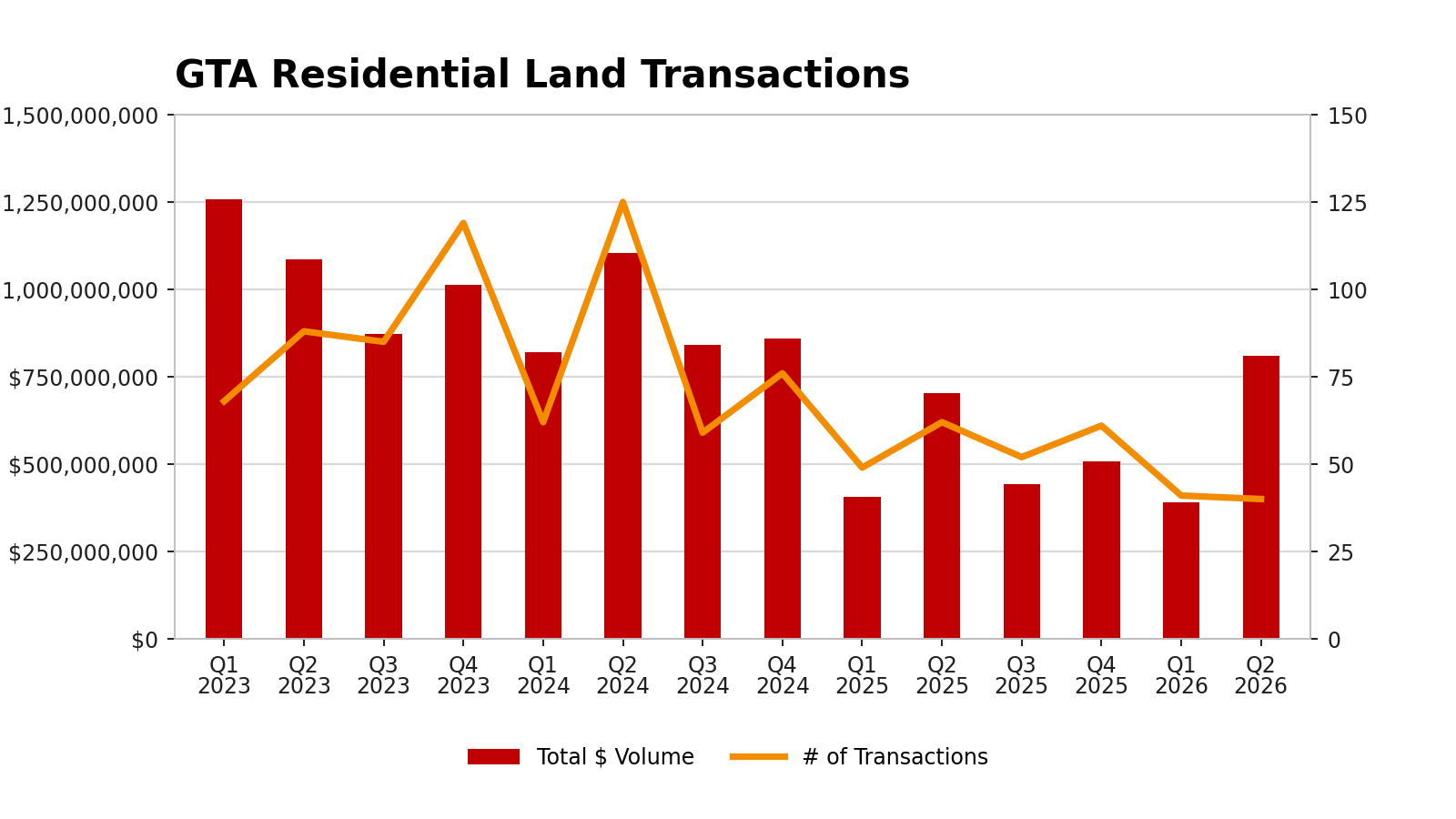
In Q2 2026, the GTA residential land market improved markedly overall, with quarterly sales reaching approximately $810 million — more than double Q1 and up about 15% year over year. Although sales volume recovered significantly, activity remained relatively concentrated, with about 40 transactions completed in the quarter and the ten largest deals accounting for roughly 79% of total GTA volume.
Notably, three of the top ten transactions were distress deals, representing about 41% of the quarter’s dollar volume. These projects were primarily taken over by lenders, who restructured the projects and optimized development arrangements to safeguard asset value, protect the interests of relevant stakeholders and carry the projects through to completion.
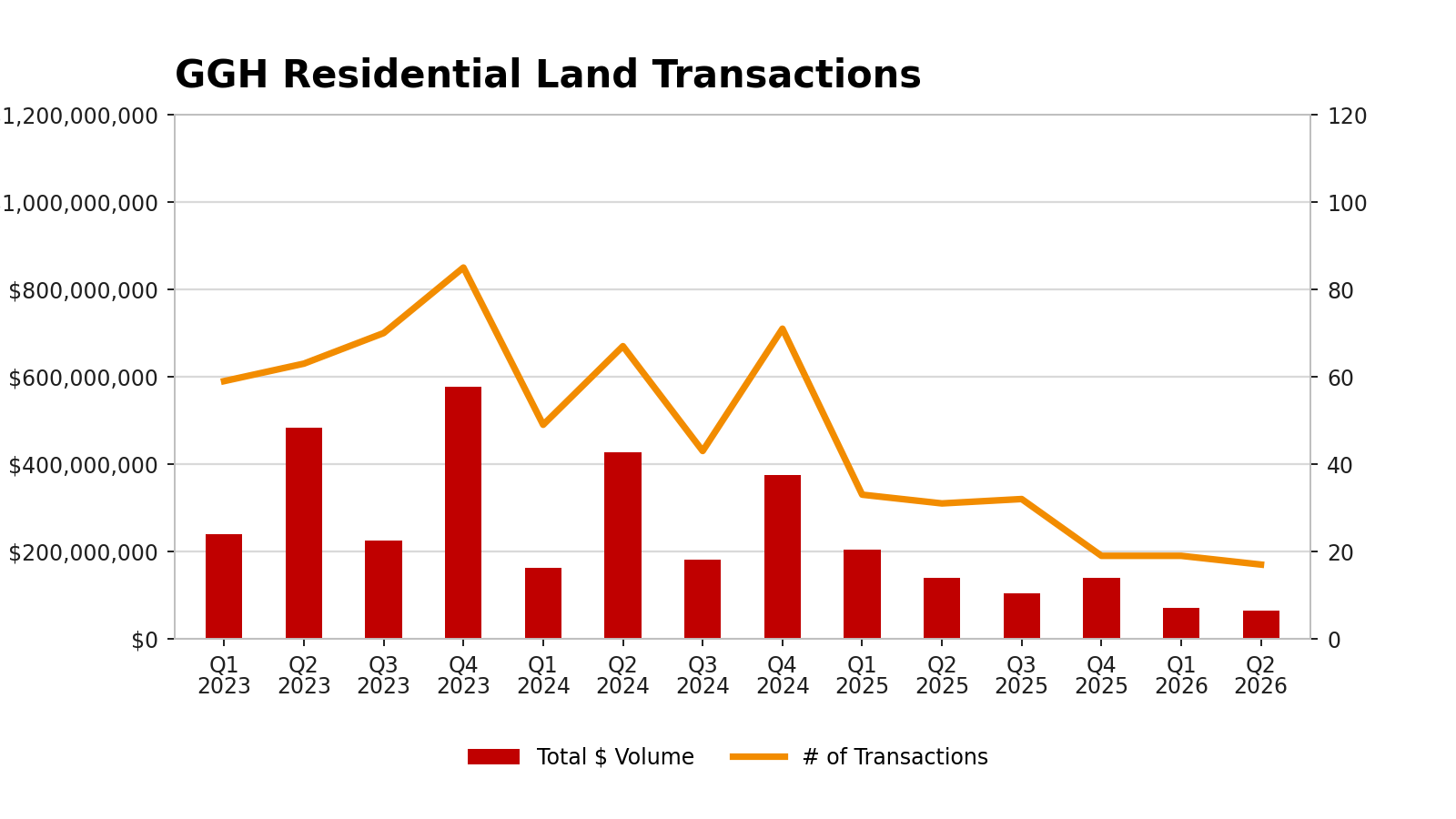
The report shows that capital continues to flow mainly toward land with mature development conditions, clear planning, complete municipal servicing and a high degree of certainty. Townhouse development land remained a market favourite and one of the most active residential product types of the quarter, while detached-home development land in established communities also saw steady demand. Meanwhile, distressed and non-arm’s-length transactions accounted for a relatively high share of the market, reflecting institutional investors gradually accelerating their acquisition of quality land through the window of price adjustment.
Low-Rise Residential
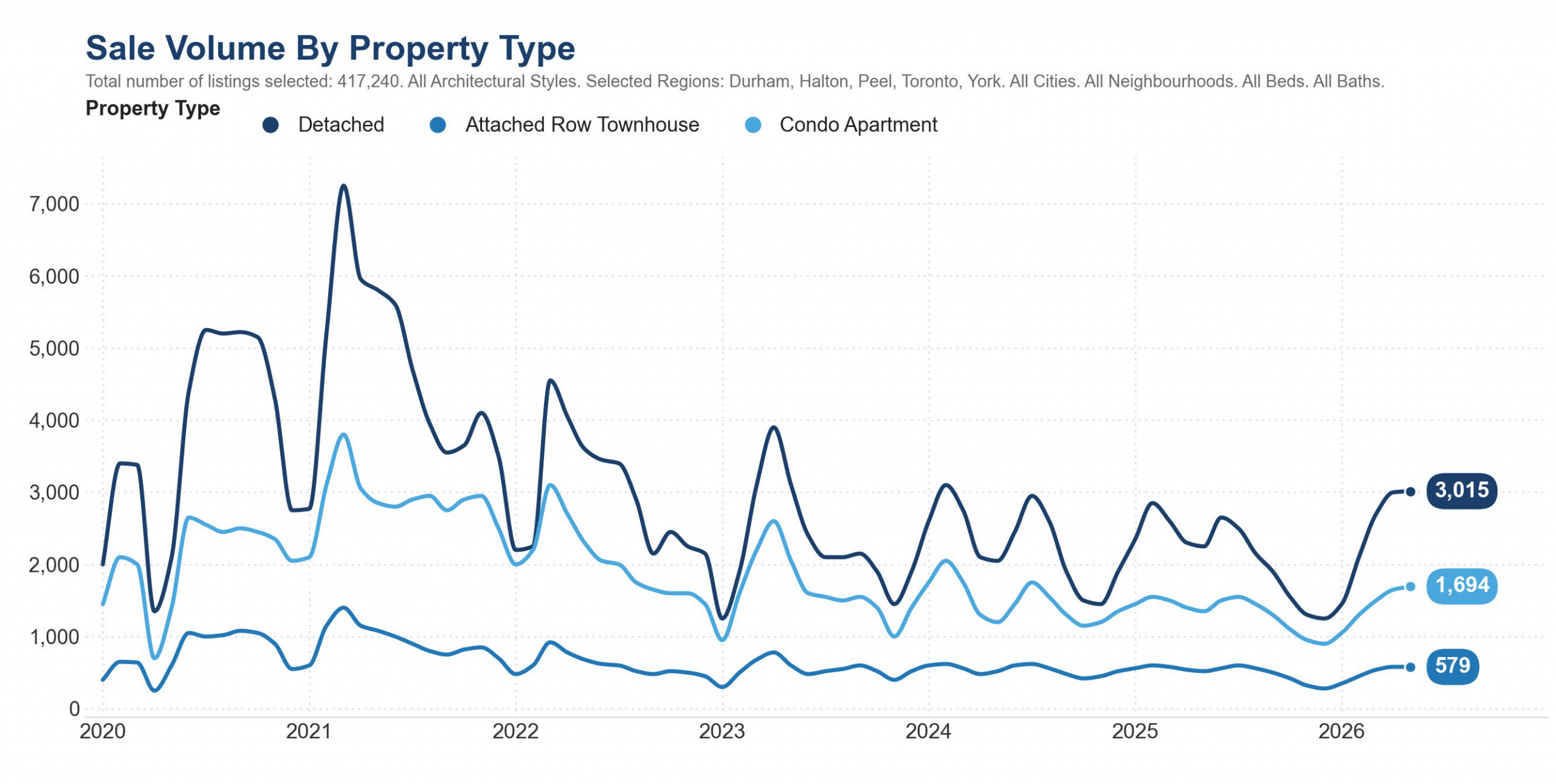
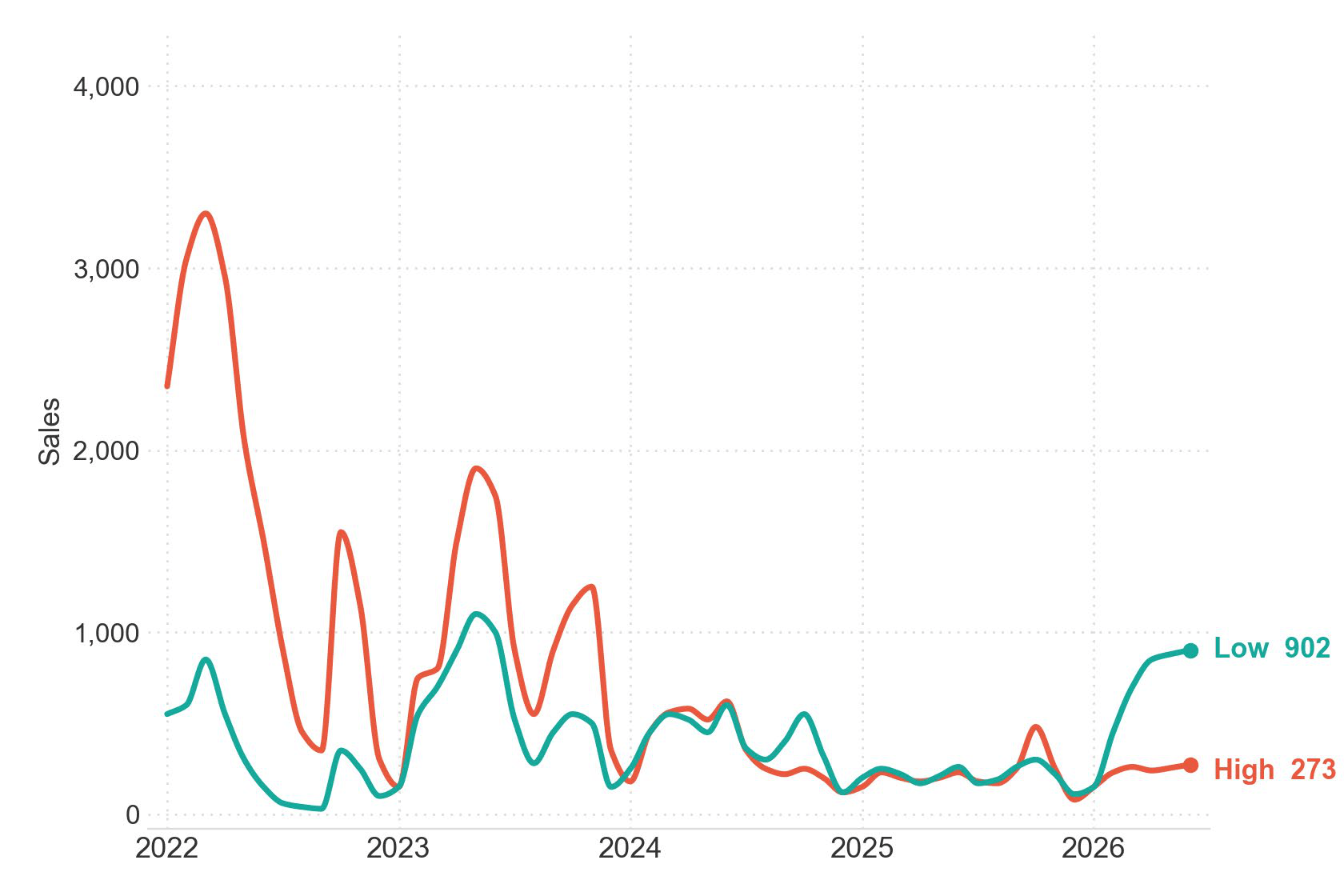
The low-rise residential market continued to send positive signals. Single-family new-home sales reached 902 units in June 2026, about 36% above the ten-year average for the same period. More rational pricing, together with the new-home HST rebate introduced federally and provincially, further lowered purchase costs and brought more stable demand for serviced detached and townhouse development sites.
As of the second quarter, cumulative new low-rise sales in the GTA had already surpassed the full-year 2025 total. If the current sales trend continues, the low-rise market could post its strongest annual performance in recent years.
High-Density Residential
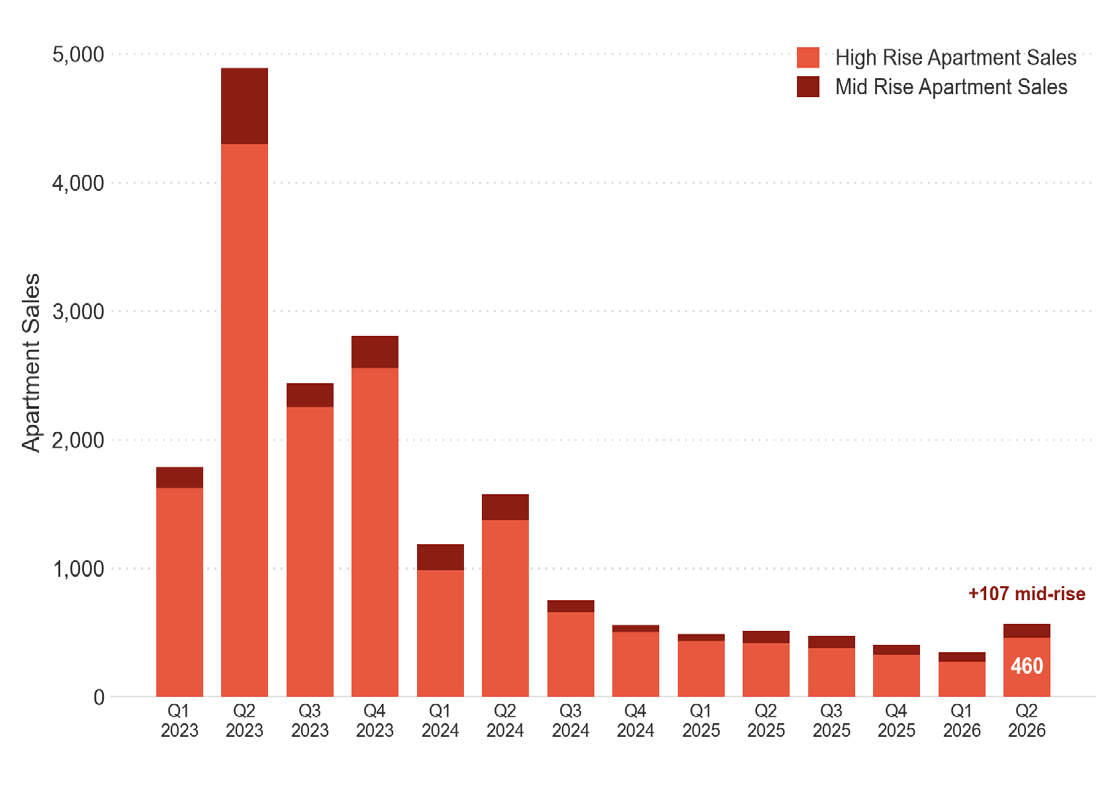
By contrast, the high-density residential market remains in an adjustment phase. In the second quarter, new condominium sales rose approximately 52% year over year to about 700 units — an improvement over last year, but still below the historical average.
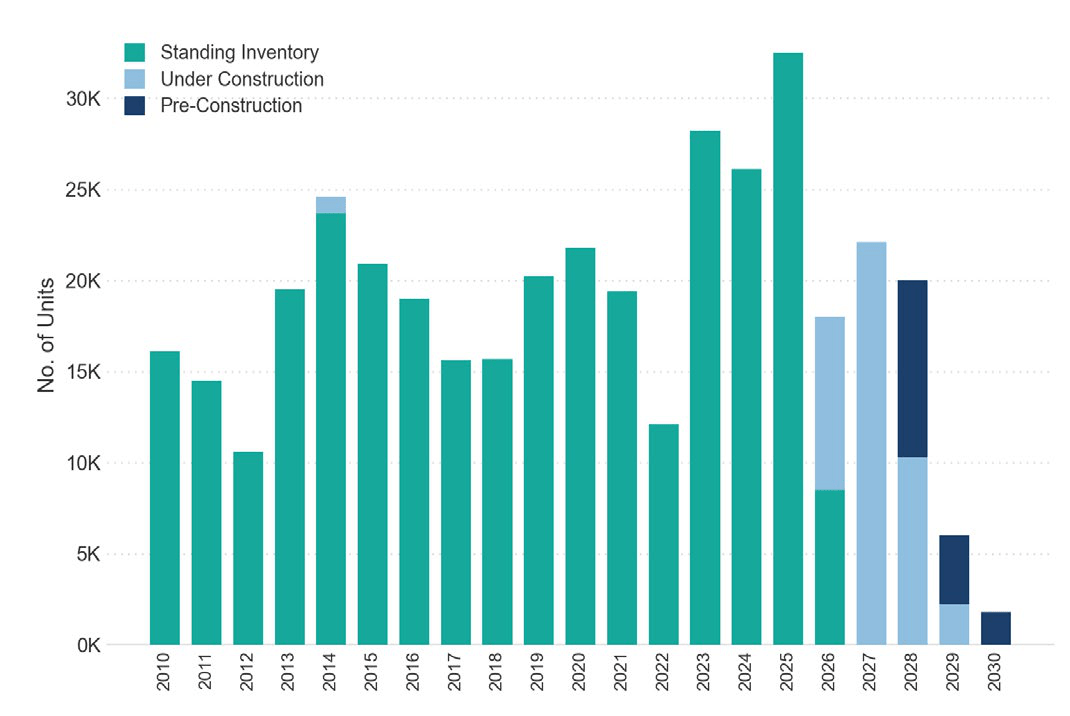
At the same time, pre-construction and under-construction inventory declined about 37% year over year, and the market saw no new condominium project launches for a second consecutive quarter, indicating that developers remain relatively cautious overall.
Rental Housing & Development Pipeline
Purpose-built rental remained the most resilient segment of the residential development market. As of the second quarter, more than 38,000 purpose-built rental units were under construction across the Greater Golden Horseshoe, underscoring continued strong long-term rental demand.
On the other hand, the large volume of condo inventory completed and delivered in recent years still needs to be absorbed, and will continue to exert some pressure on residential sales and market absorption in the near term.
Market Outlook
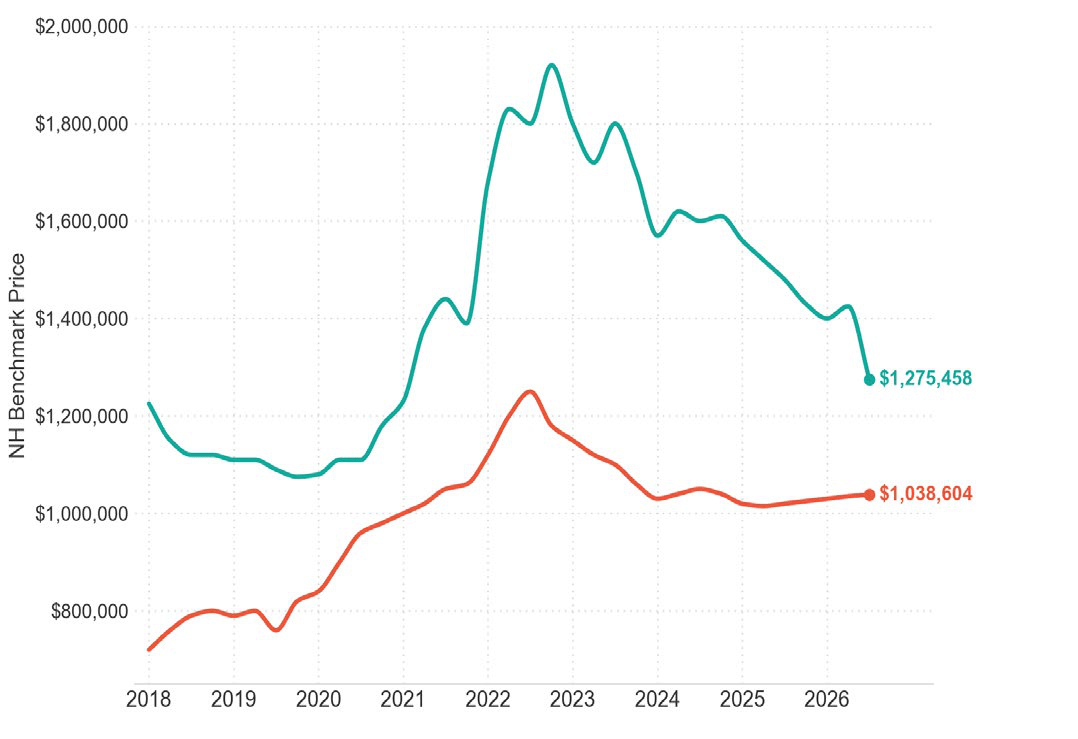
The report suggests that, for the foreseeable future, the residential land market will continue to be led by well-capitalized development companies and institutional investors with long-term investment capacity. Land projects with complete infrastructure, clear locational advantages and mature development conditions will continue to attract attention, and overall land prices are expected to gradually stabilize under the new market conditions.
At the same time, the report notes that condominium launches are expected to remain limited through 2026. As existing projects are gradually completed, residential deliveries across the GTA and GGH may begin to decline after 2028. If new project supply does not recover in time, the market could face a phase of insufficient new housing supply around 2030, at which point the supply-demand imbalance may intensify further.
Representative residential land transactions this quarter included:
- Mississauga | 1345 Lakeshore Road East: approximately $155 million, 3.1 acres, planned for high-density residential development;
- Brampton | 10302 Heart Lake Road: approximately $118.3 million, 6.8 acres, planned for medium-density residential development;
- Markham | 186 Old Kennedy Road: approximately $77.8 million, 9.6 acres, planned for medium-density residential development.
2. ICI Land & Industrial Buildings See Renewed Activity as Market Confidence Improves
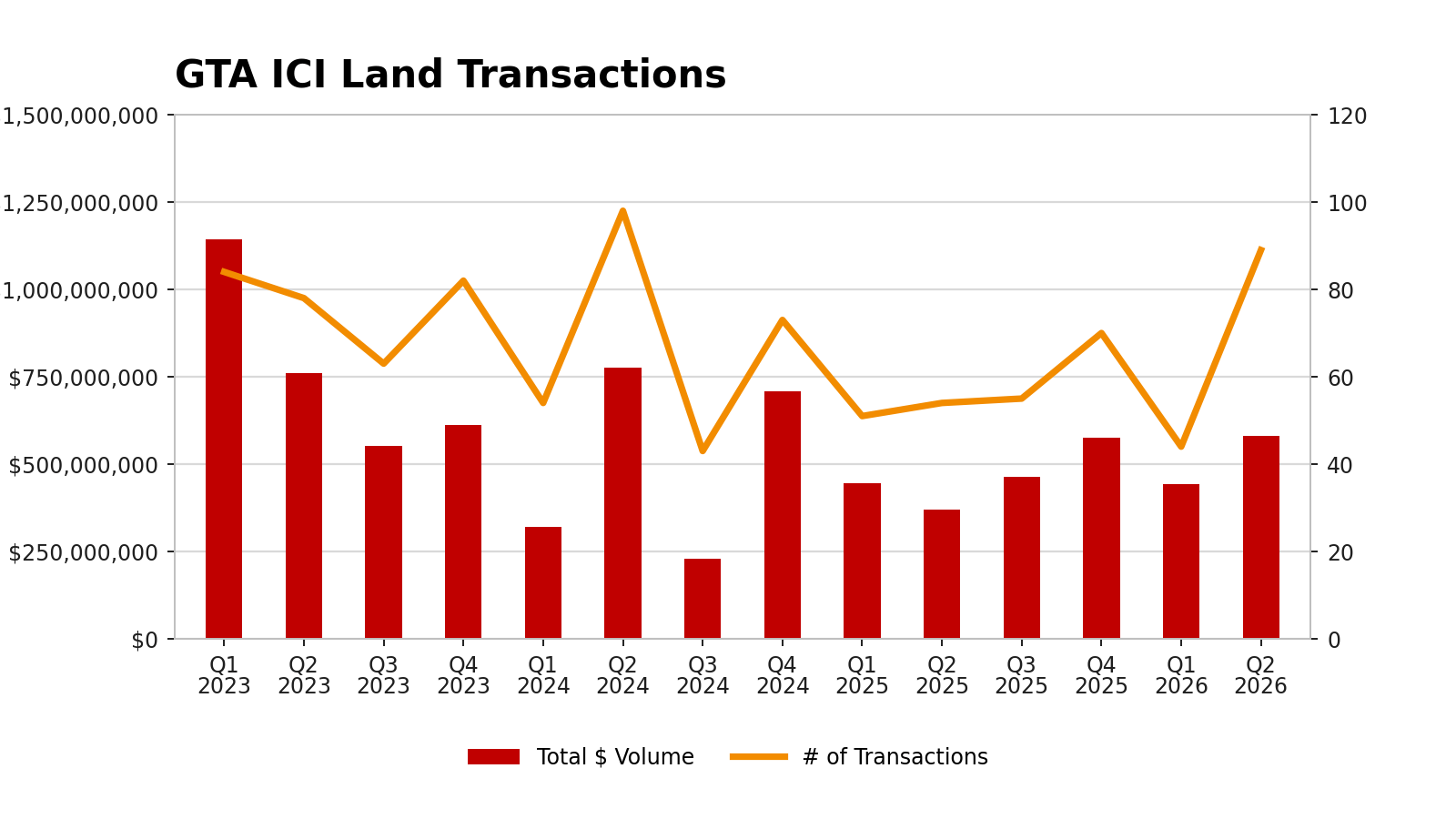
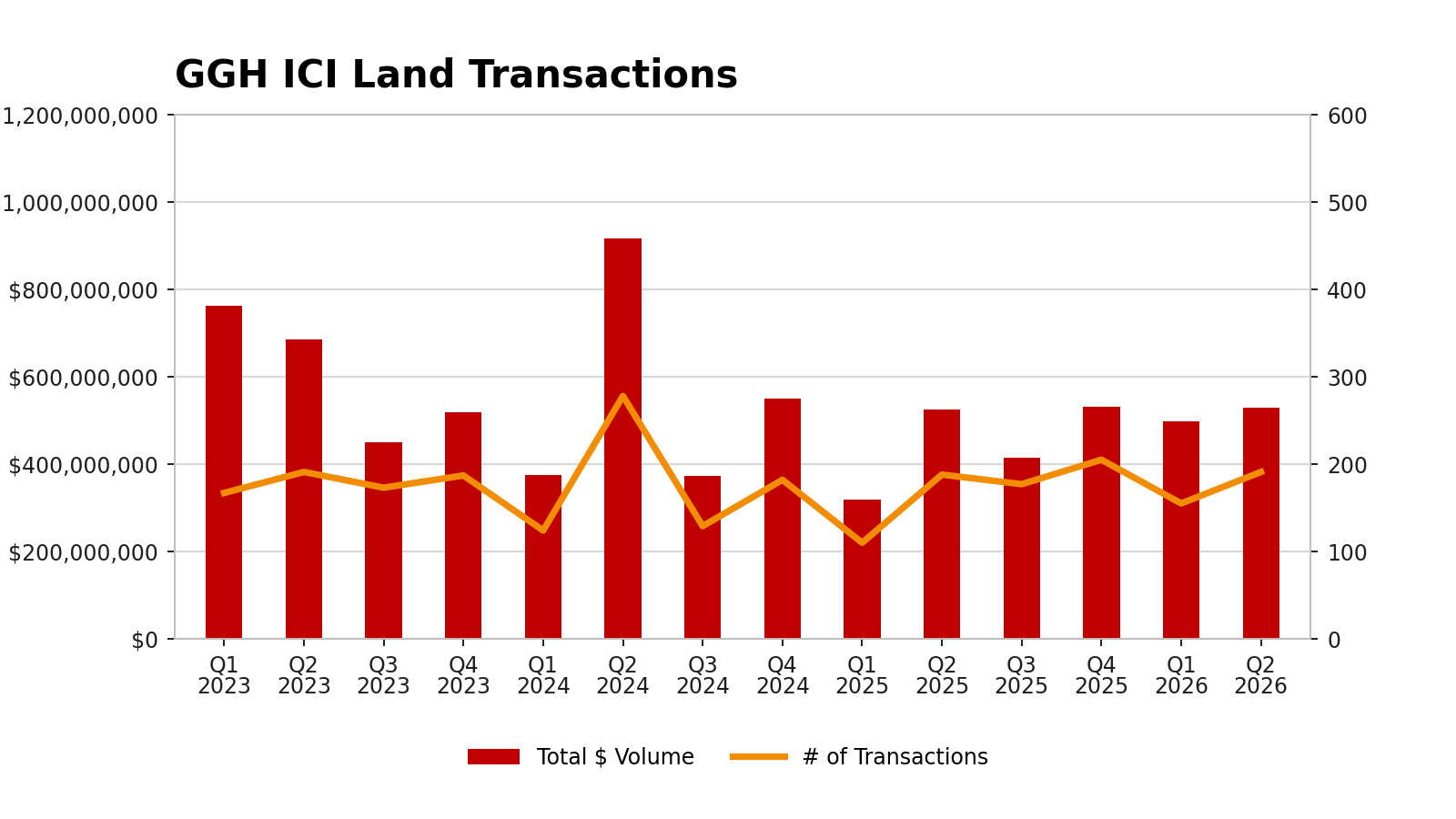
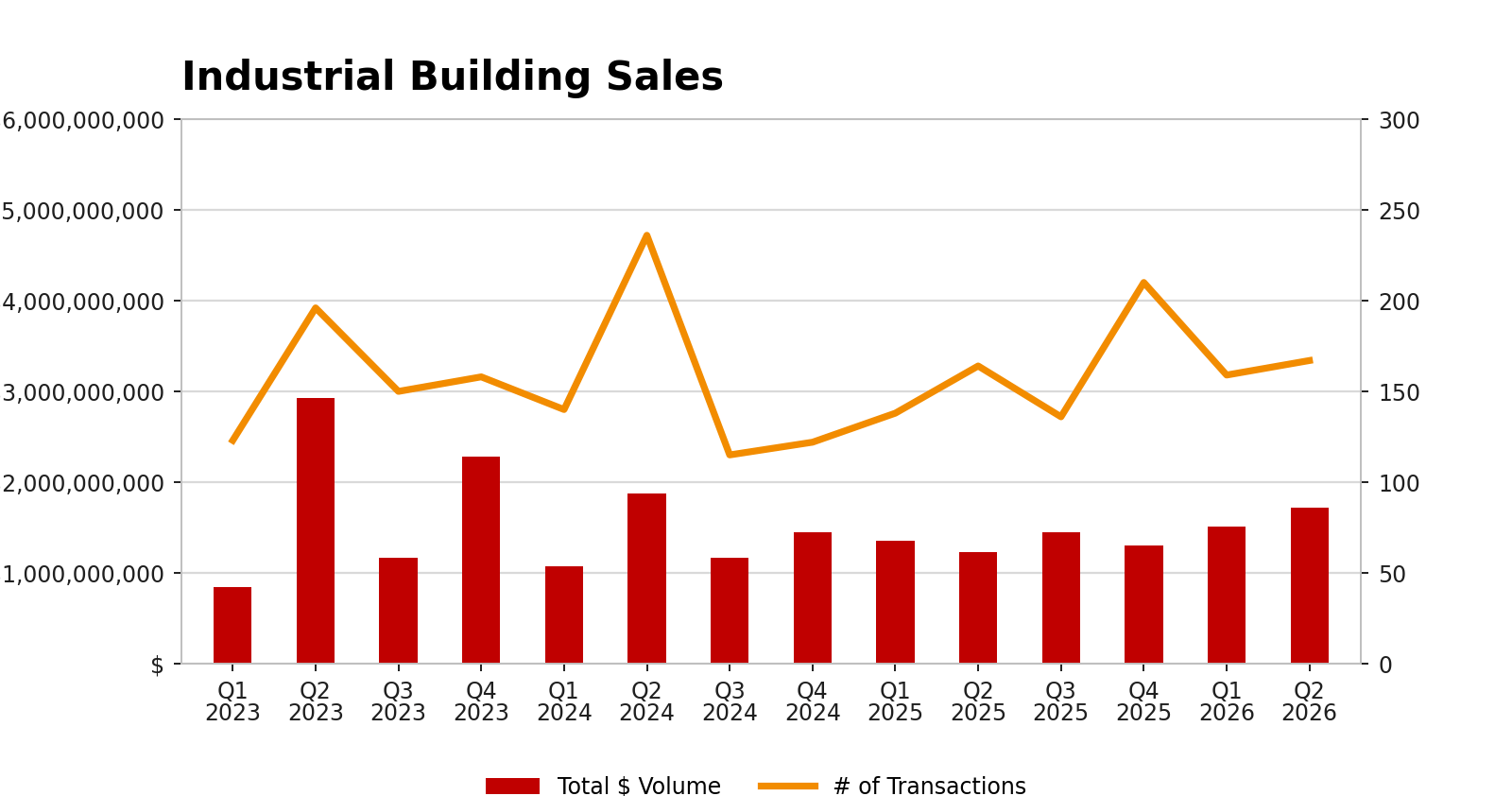
In Q2 2026, the GTA industrial, commercial and institutional (ICI) land market continued its recovery, with a clear pick-up in activity. GTA ICI land sales reached approximately $581.6 million across 89 transactions, up 31% from Q1 and 57% year over year. Meanwhile, the GGH ICI land market held steady at approximately $530.1 million across 191 transactions, while overall industrial building sales reached about $1.72 billion — the highest quarterly total in two years.
The report indicates that the recovery was driven mainly by investment demand from corporate end-users and institutional developers. Facing continued shifts in international trade policy and the supply-chain environment, many companies chose to complete greenfield acquisitions early to strengthen supply-chain stability and reduce future operational risk.
At the same time, a growing number of companies are transitioning from the traditional “just-in-time” supply-chain model toward a “just-in-case” model that places greater emphasis on inventory security and supply assurance. Demand for local warehousing, logistics and industrial real estate has continued to grow, providing new momentum for the industrial land market.
Notably, although greenfield land prices in peripheral areas have adjusted from their market peaks, well-located infill redevelopment sites with mature servicing have retained strong competitiveness and continued to attract investors.
Market Performance
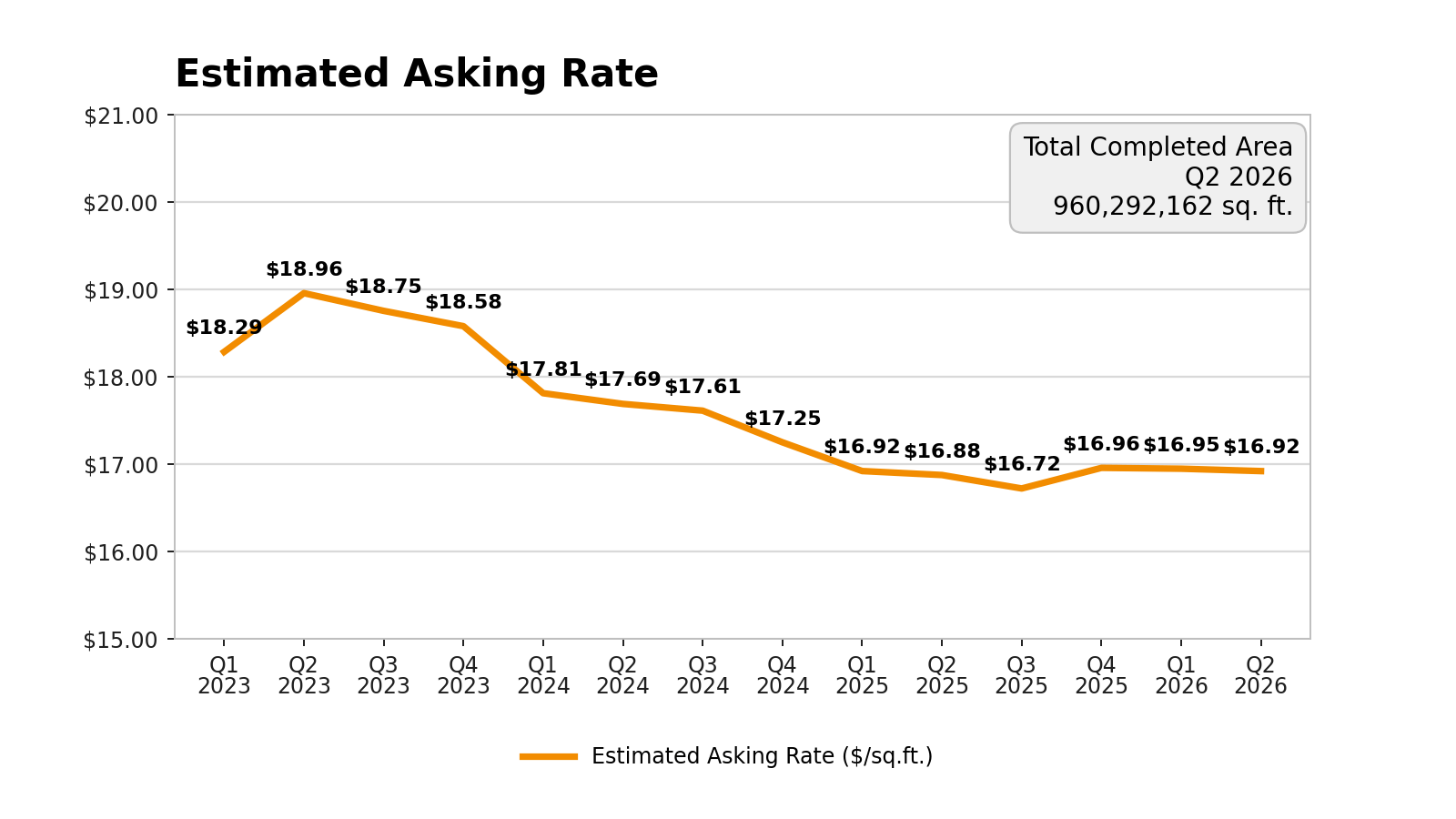
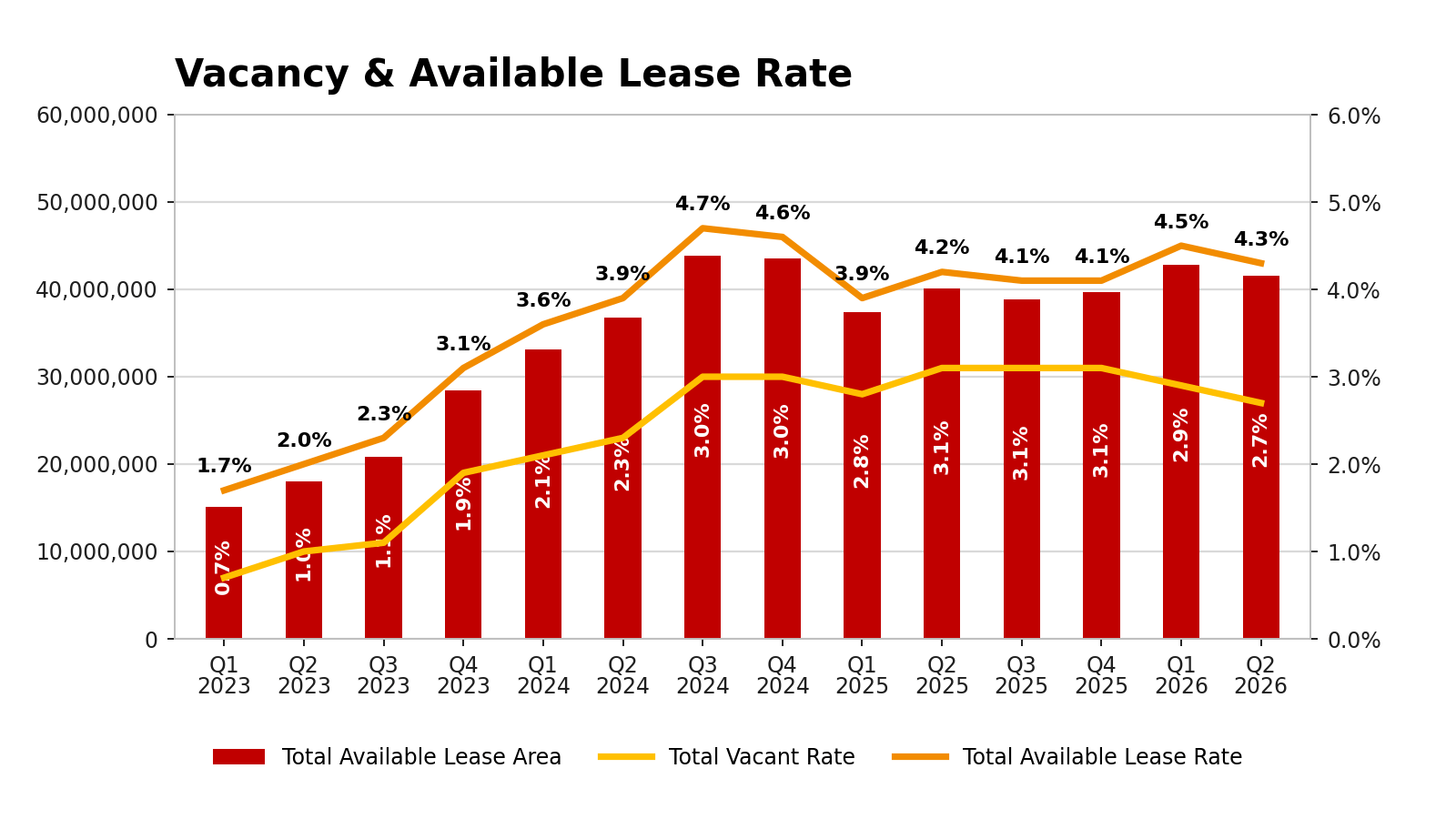
Overall, the GTA industrial market showed positive movement across the board in the second quarter. Both sales value and transaction count grew, industrial vacancy continued to decline, the leasing market held steady, and asking rents remained in the range of $16.00 to $16.50 per square foot.
At the same time, GTA industrial available lease area broadly stabilized, and the market recorded a fourth consecutive quarter of positive net absorption, reflecting continued improvement in real demand. As of the second quarter, total completed industrial area in the market stood at approximately 960 million square feet (about 960,292,162 sq. ft.), indicating a substantial existing industrial inventory in the region.
Regional Trends
By region, transactions were concentrated in Halton Hills, Oakville, Mississauga and Caledon. Buyer types were also more diverse, spanning owner-users, real estate developers, technology firms, logistics operators and institutional investors, indicating a broader base of demand and a further strengthening of the market’s foundations.
Valuation & Outlook
The report also points out that a degree of bid-ask gap remains between buyers and sellers. On one hand, developers — constrained by financing costs, construction costs and target returns — have remained relatively cautious in land acquisition; on the other, end-users, focused on long-term operational needs, retain a strong willingness to purchase quality industrial properties that fit their strategic development.
As land prices gradually return to rational levels, the report considers that valuations are approaching a cyclical floor. With further improvement in the financing environment and the continued recovery of market confidence, industrial market activity is expected to strengthen further in the third and fourth quarters of 2026.
On the whole, a more diverse buyer mix and a continually improving investment environment reflect sustained confidence in the long-term value of quality industrial land and buildings. In the leasing market, however, tenants still retain some negotiating leverage in the near term, and the market overall is expected to continue operating in a relatively rational manner.
Representative ICI land transactions this quarter included:
- Halton Hills | 10862 Steeles Avenue East: approximately $49.9 million, 25 acres, industrial use;
- Oakville | 3480 Ninth Line: approximately $24 million, 4.3 acres, industrial use;
- Mississauga | 6039–6155 Erin Mills Parkway: approximately $22.8 million, 6.3 acres, commercial use.
3. A Continually Improving Policy Environment, with Coordinated Federal and Provincial Measures
Q2 2026 marked a key point at which several Ontario housing measures moved into effect, while two major federal bills also completed their passage into law. Collectively, the measures focus on reducing taxes, development charges and financing costs to support new housing supply and to assist tariff-exposed manufacturers, creating a more favourable environment for the real estate and construction sectors.
Housing Policy — Provincial
- 50% Development Charge Cut: The Canada-Ontario Partnership to Build provides $8.8 billion over ten years for housing infrastructure. Municipalities can qualify by reducing residential development charges (DCs) by 30% to 50% or more for at least three years. Toronto secured $1.5 billion and plans reductions of roughly 40% to 60% between 2026 and 2029, while freezing development-charge indexing at 2024 levels for 2025 and 2026.
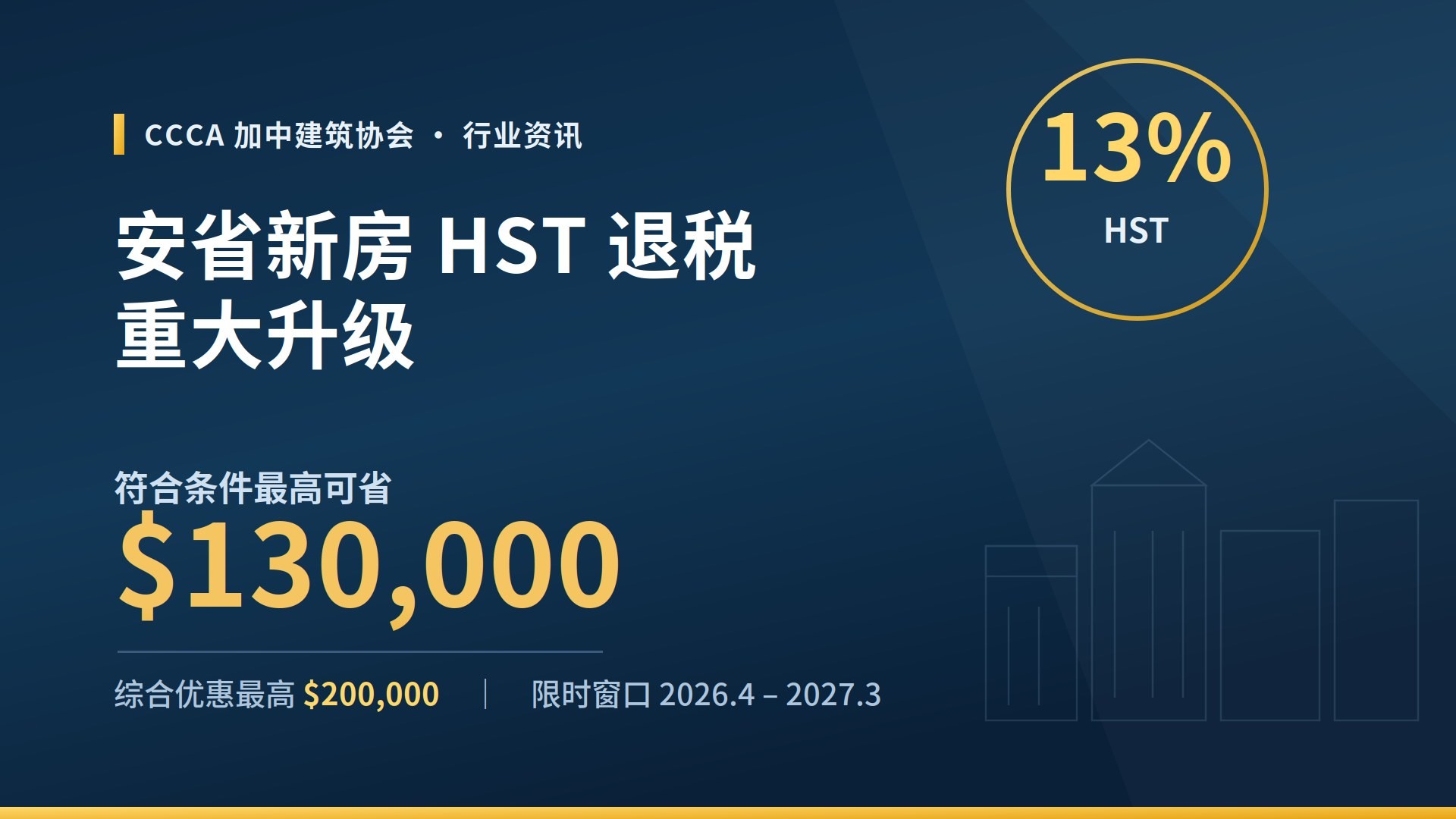
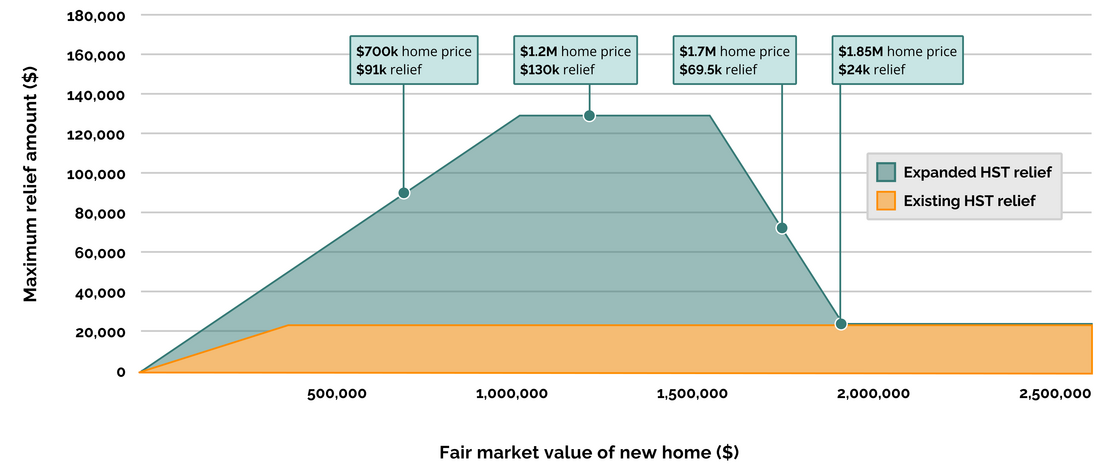
- HST Relief: Ontario’s enhanced HST rebate runs from April 1, 2026 to March 31, 2027, removing the provincial HST portion on eligible new homes up to $1 million for savings of up to $80,000. Combined federal and provincial relief can save eligible first-time buyers up to $130,000, phasing out between $1 million and $1.85 million.
- Inclusionary Zoning Exemptions: Toronto rezoning, site-plan and building applications filed before July 1, 2027 are exempt from inclusionary-zoning requirements; applications filed after that date must provide 5% affordable housing for 25 years.
- Conservation Authority Consolidation: Ontario plans to consolidate 36 conservation authorities into nine regional authorities, effective February 1, 2027, to reduce duplication and speed up development permitting.
- Low-Risk Designations: Changes to Ontario’s Excess Soil Regulation remove some registration, sampling and tracking requirements for low-risk sites, which should reduce costs and timelines for smaller and infill projects, with transition provisions running to late October 2026.
Housing Policy — Federal
- Federal-Provincial HST Relief: The coordinated rebate removes the full 13% HST on eligible new homes priced up to $1 million, with partial relief up to $1.85 million, effective April 1, 2026, to support buyer demand and improve project feasibility.
- Bill C-20: Received Royal Assent on June 19, 2026 and established Build Canada Homes as a permanent federal Crown corporation, supported by an initial $13 billion and focused on affordable housing and construction innovation.
- Bill C-26 and Intergovernmental Partnerships: Received Royal Assent on June 18, 2026 and provides $1.7 billion to provinces and territories for housing programs and development-fee relief, also supporting the $8.8 billion Canada-Ontario infrastructure commitment and municipal development-charge reductions of up to 50%.
- Low-Cost CMHC Financing: The $55 billion Apartment Construction Loan Program continues to support purpose-built rental housing; by March 2026, CMHC had committed about $30.8 billion toward more than 78,000 rental homes.
- Modular and Factory-Built Housing: Federal policy also supports modular and factory-built housing through financing, building-code updates and the Build Canada Homes mandate.
Industrial & Trade Policy — Provincial
- Ontario Made Manufacturing Investment Tax Credit: The refundable credit has been enhanced to 15%, with a maximum of $3 million per year on eligible expenditures of up to $20 million, applying to property available for use on or after May 15, 2025 and before January 1, 2030. A parallel 15% non-refundable credit is now available to corporations that are not Canadian-controlled private corporations, with a ten-year carry-forward. The credit applies to buildings and machinery used for manufacturing or processing in Ontario.
- Protecting Ontario Account: The Province launched the Protect Ontario Financing Program as the first phase of the $5 billion Protecting Ontario Account, providing working capital to for-profit businesses operating in sectors subject to Section 232 tariffs — namely steel, aluminum, copper and autos — to help cover operating expenses through the trade disruption.
- Trade and Tax Support: The 2026 Ontario Budget added $100 million to the Ontario Together Trade Fund and cut the small-business corporate income tax rate from 3.2% to 2.2% effective July 1, 2026, projected to deliver $1.1 billion in relief over three years.
Industrial & Trade Policy — Federal
- Tariff Response Package: On May 4, 2026, the Government of Canada announced $1.5 billion to support tariffed industries, including a new $1 billion Business Development Bank of Canada program offering loans of $2 million to $50 million to firms that manufacture and export products containing steel, aluminum or copper, plus a $500 million top-up to the Regional Tariff Response Initiative, with carve-outs of $150 million for steel, $100 million for automotive and $150 million for food security.
- Trade Measures and CUSMA: Effective June 8, 2026, a U.S. proclamation eased selected metals tariffs, cutting duties on agricultural machinery and HVAC equipment from 25% to 15% and lowering the U.S.-origin content requirement from 95% to 85% through December 31, 2027. The formal CUSMA joint review is set to begin July 1, 2026; no extension was agreed on that date, but the agreement does not expire until 2036, and the review itself does not change existing tariff rates.
4. Closing
Taken together, the two reports show that the GTA land and industrial real estate market improved on three fronts in Q2 2026 — sales volume, transaction activity and policy support. Residential land sales more than doubled from the previous quarter, industrial land and buildings reached a two-year high, and provincial and federal policy continued to work in concert on cost reduction, tax relief and supply stability. At the same time, the structural concerns of limited condo launches and a shrinking post-2028 completion pipeline, together with ongoing international trade-policy uncertainty, warrant close attention from the industry. For CCCA member companies, this is both a window to capture distressed and well-serviced land opportunities and a strategic moment to position early in local warehousing and manufacturing real estate.
The Canadian Chinese Construction Association (CCCA) will continue to uphold its philosophy of “exchange, cooperation and mutual benefit,” building a platform for industry information and resource sharing and working hand in hand with member companies and industry colleagues to seize market opportunities and move forward steadily.
Data source: Royal LePage Commercial — Land & Investment Group, Q2 2026 Residential Land Report and Q2 2026 ICI Land & Industrial Buildings Report. This article is a summary of market information and does not constitute investment or transaction advice.