Canadian Chinese Construction Association

CCCA member Mr.Bin wrapped up a successful Summer Outdoor Building Supply Event on June 25!
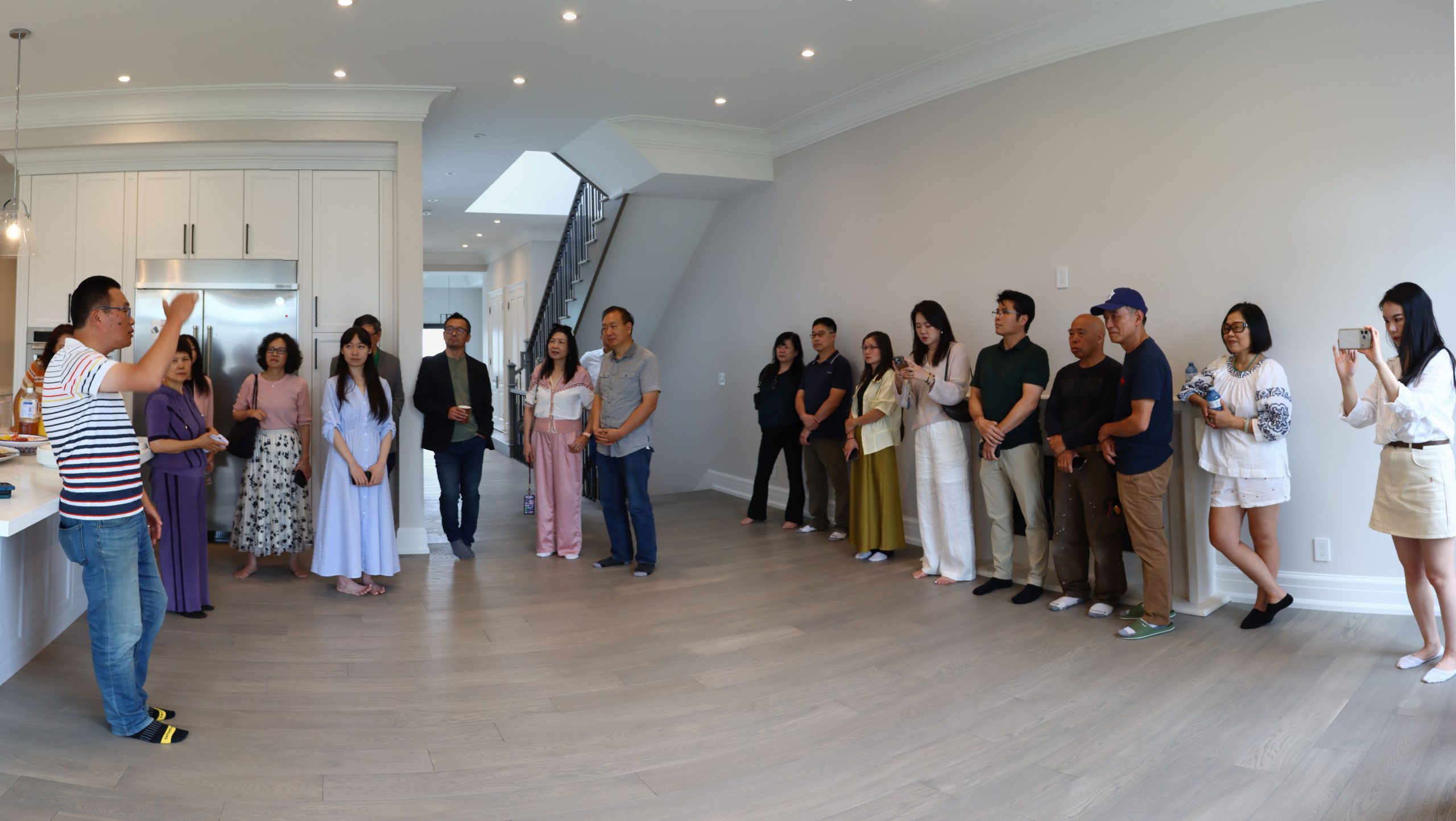
Mr.Bin Outdoor Building Supply Summer Vendor Event 2026 现场全景 panorama, Scarborough

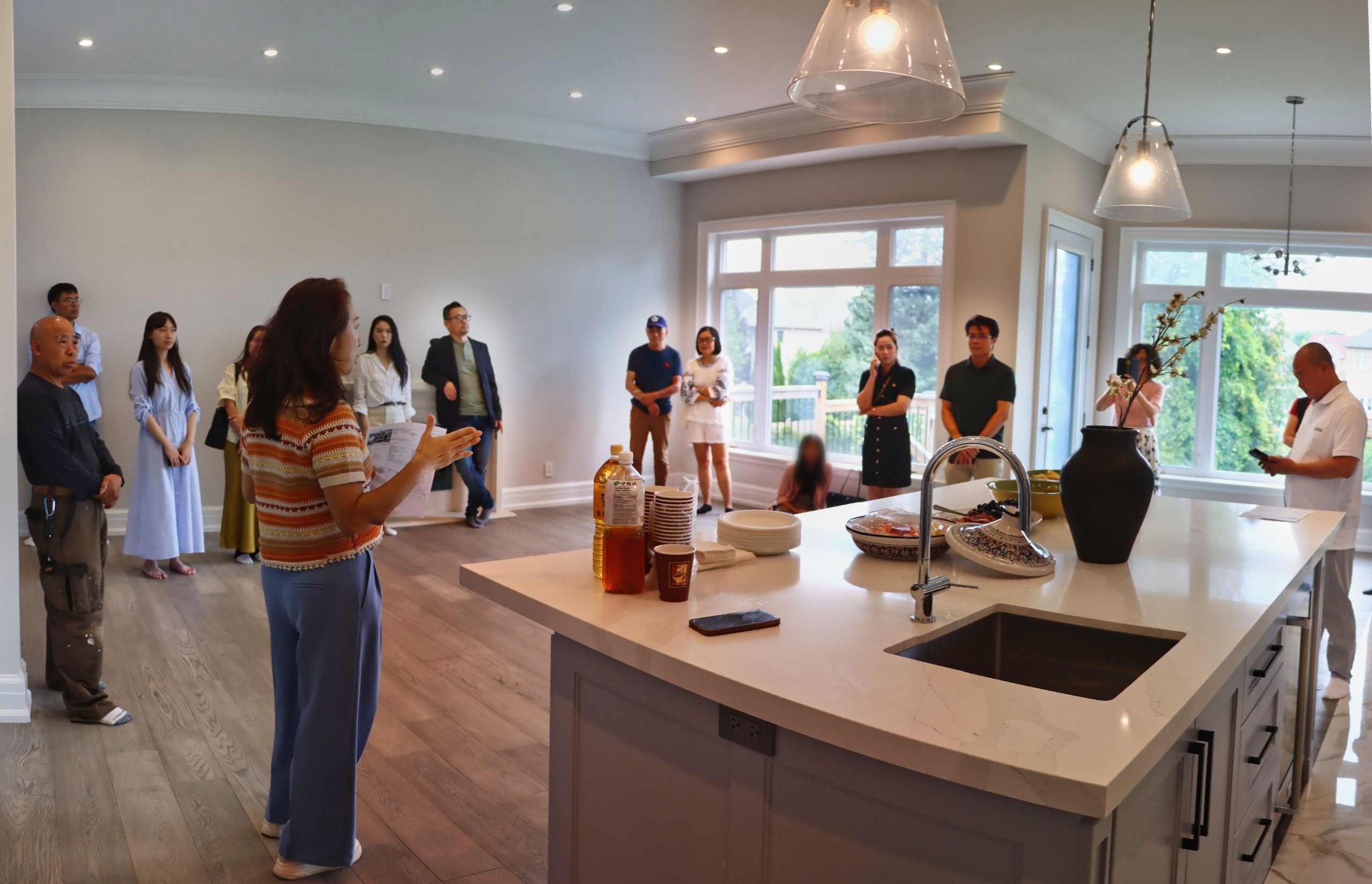
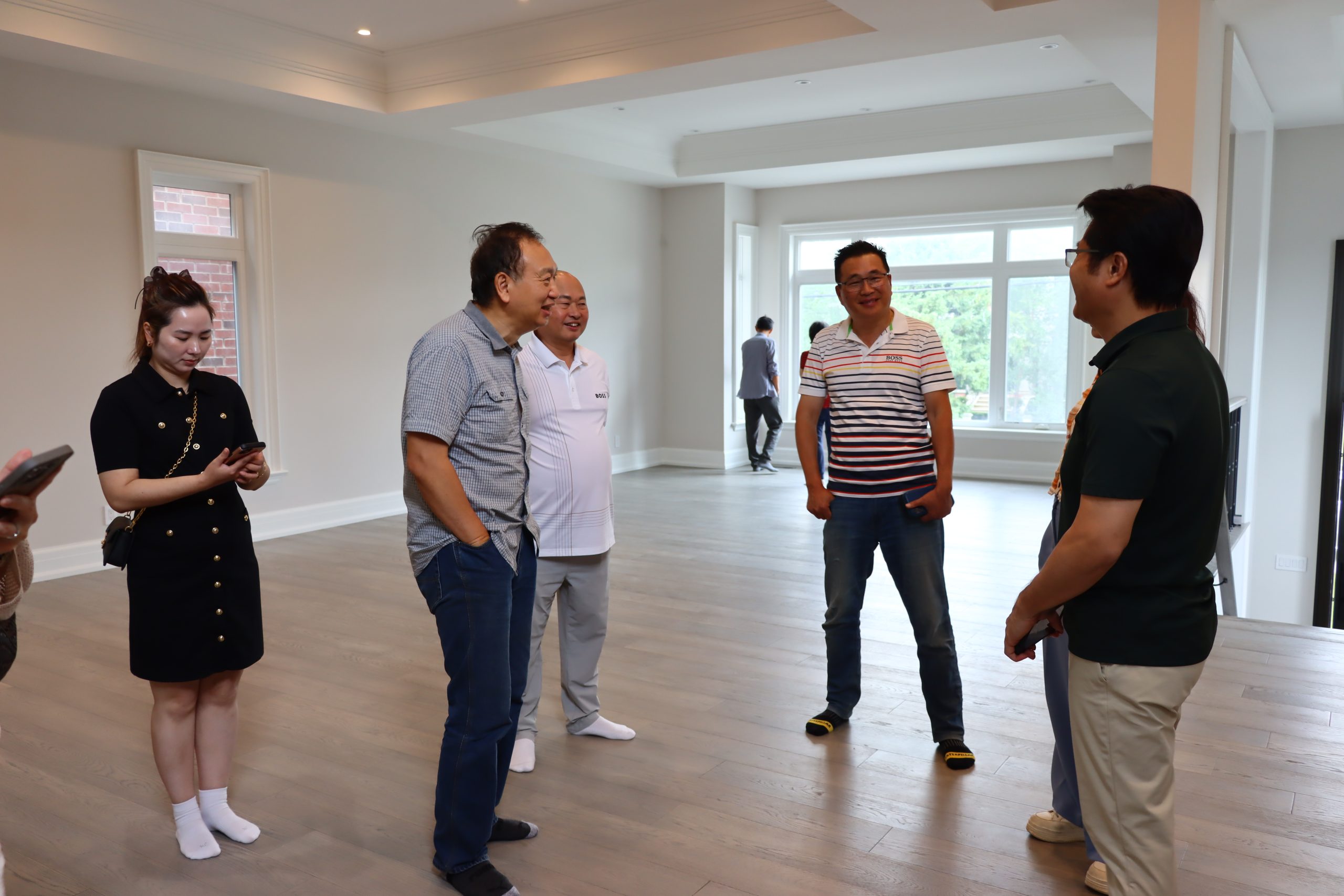
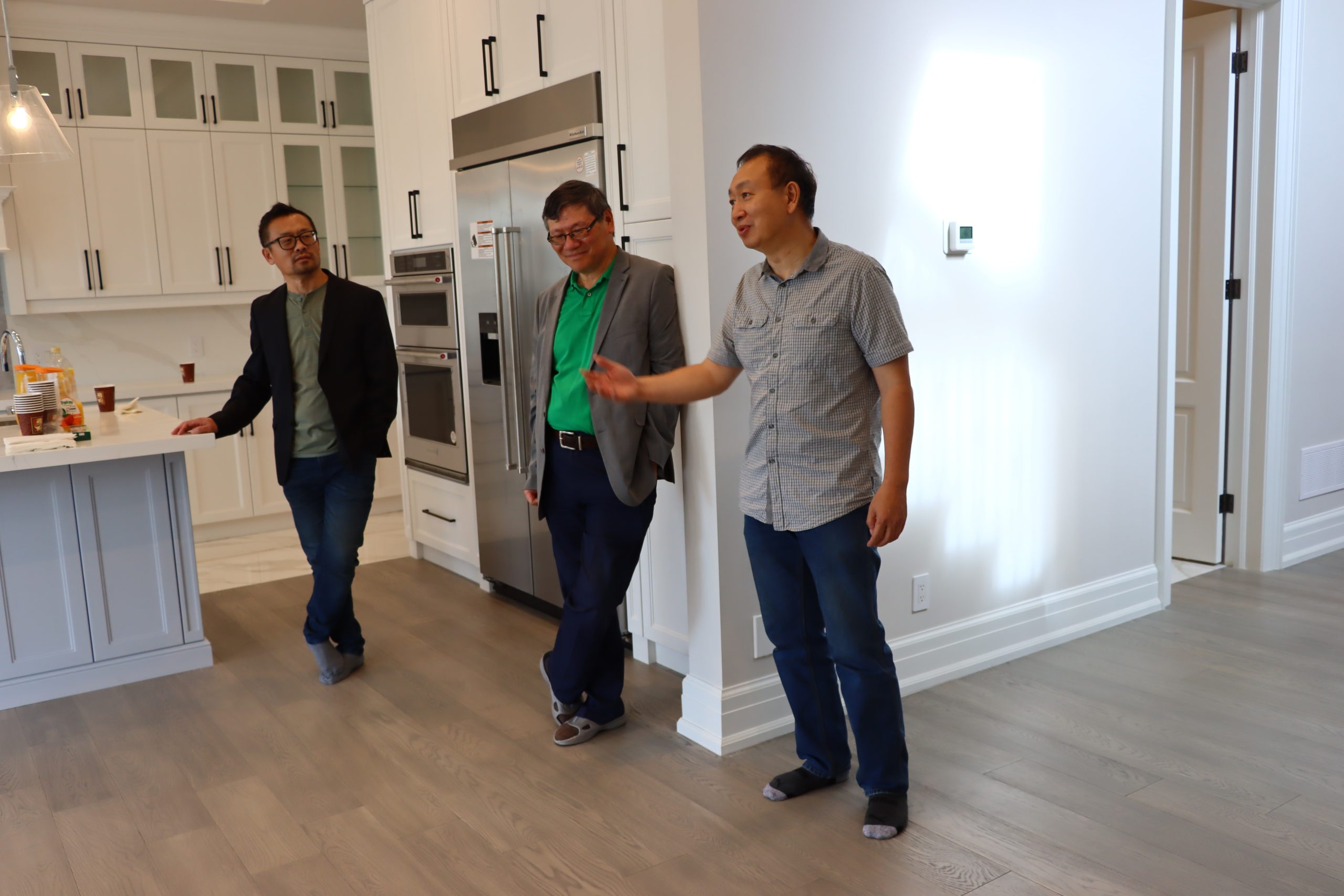
On Thursday, June 25, CCCA member company Mr.Bin Outdoor Building Supply hosted its Summer Vendor Event at 3445 Kennedy Road in Scarborough. Open to the public free of charge from 11 am to 3 pm, the event drew professionals from the construction, landscaping and renovation trades, along with families interested in outdoor and garden projects.

Held under the theme “Share Your Dream Garden with Our Pros,” the event brought together Mr.Bin's various business lines and 11 brand vendors, presenting the full journey of outdoor building supply — from material selection to on-site installation — all under one roof.

Panoramic view of the Mr.Bin Summer Vendor Event with multiple brand booths

Pavers, Natural Stone & Outdoor Porcelain

The event showcased ground-surface materials including pavers, natural stone and outdoor porcelain, with participating brands such as Unilock, Permacon, Best Way Stone (BWS), Brown's Concrete Products, Oakville Stone and Porcea. These materials are widely used for driveways, patios, walkways and terraces — the literal foundation of any outdoor space.

Vendors showcasing outdoor building materials at the Mr.Bin Summer Vendor Event
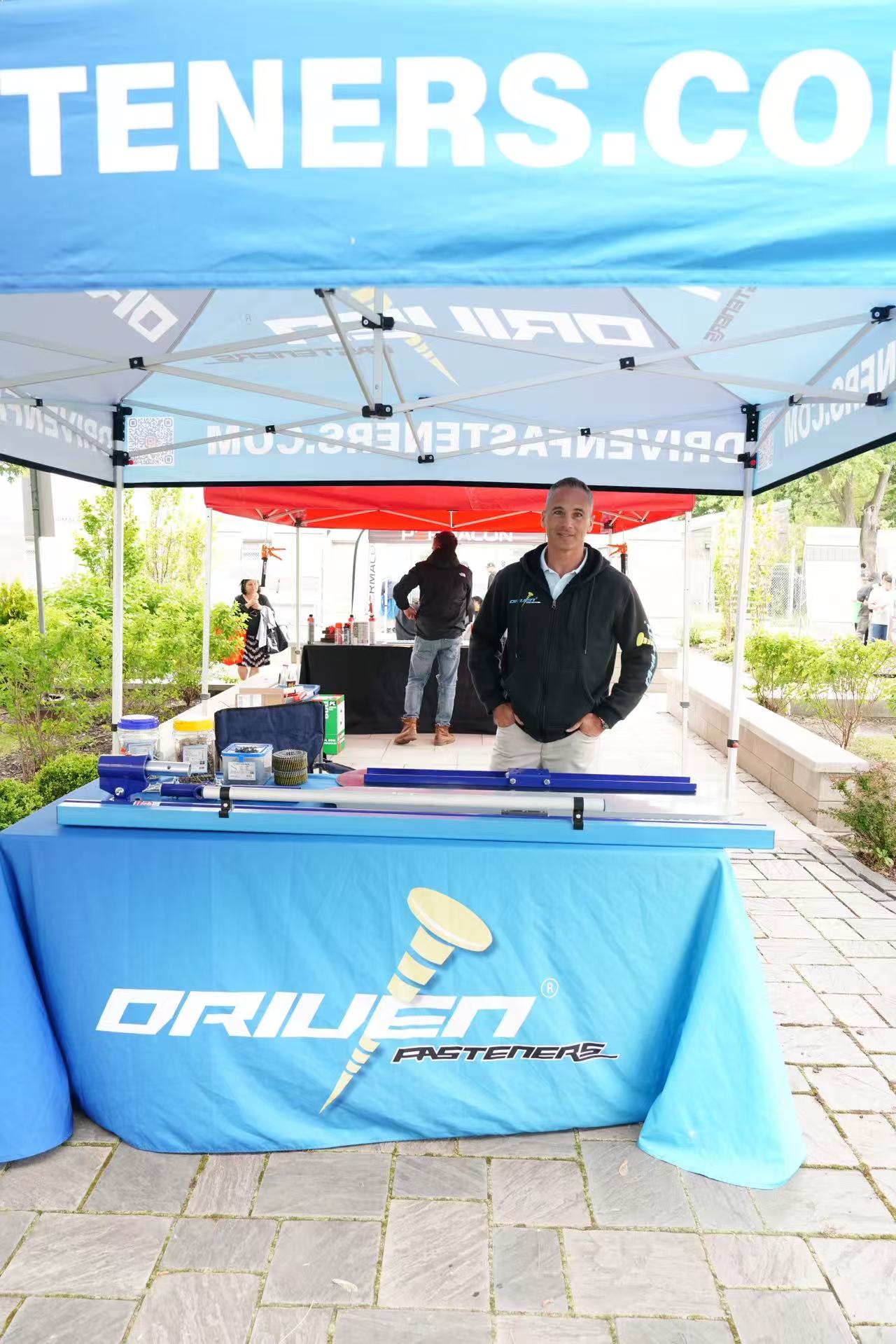
Brand vendor booths at the Mr.Bin event
Outdoor paving and stone product displays
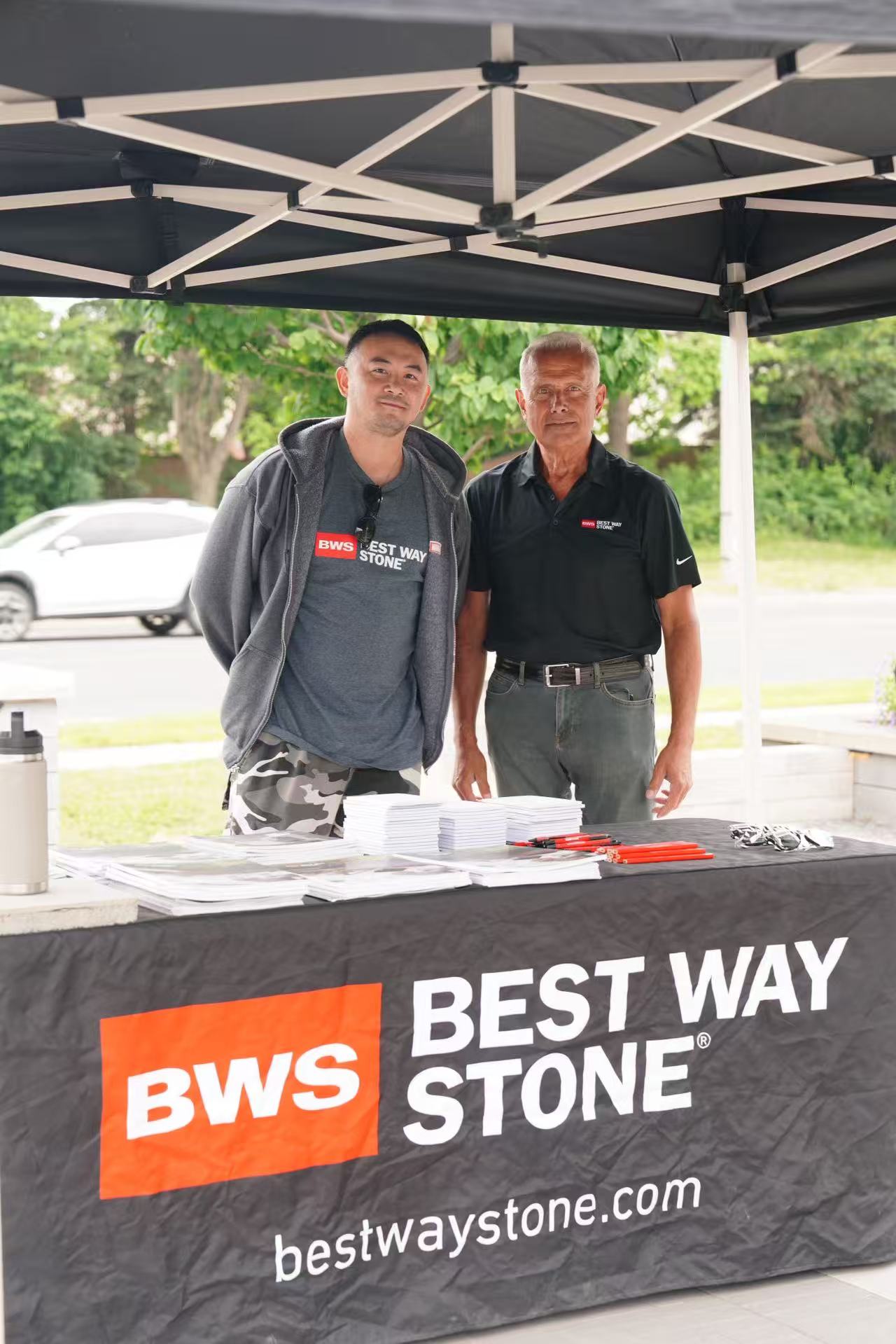
Brand representatives meeting guests at the Mr.Bin Summer Vendor Event

Outdoor Lighting Systems

The outdoor lighting section featured In-lite, presenting low-voltage outdoor lighting systems. For many homeowners, outdoor lighting is about more than nighttime safety — it sets the mood of a garden and extends how long an outdoor space can be enjoyed.
Polymeric Sand & Installation Accessories

Polymeric sand is a key material for filling the joints between pavers — it locks the units in place, suppresses weed growth and reduces water seepage, often making the difference between a paving job that lasts and one that doesn't. In this section, Alliance presented polymeric sand and installation supplies, LePage brought sealing and bonding products, and CFC was also on hand with related installation materials and accessories.

(New) Equipment Rental & On-Site Test Drives

A major new highlight of the event was Mr.Bin's newly launched equipment-rental line. TerraX brought machinery from brands such as SDLG and LGMG, including compact excavators and aerial work platforms; also on display were Benda motorcycles and AODES ATVs and UTVs. A dedicated test-drive area let guests get a close, hands-on look at how the various machines and vehicles perform. For small and mid-sized contractors and landscaping crews, flexible rental can meet a project's stage-by-stage equipment needs without the burden of a large up-front purchase.

Mr.Bin 夏季户外建材展现场
Mr.Bin 夏季户外建材展现场
Mr.Bin's new equipment rental line, machinery and vehicles on display with test drives

The Display Garden & On-Site Exchange

Beyond the product and equipment displays, Mr.Bin's display garden was one of the event's focal points, showing how different materials look in a real outdoor setting and making it easier for guests to compare options and picture their own projects. Brand representatives were on hand throughout, talking with visitors and answering specific questions about material selection, pairing and installation.

Mr.Bin display garden showing outdoor building materials in a real setting

Free BBQ & Street Food

The atmosphere on site was relaxed and lively. Organizers laid on free BBQ, Hong Kong–style egg waffles and other street food and drinks, along with small gifts for guests. Sampling food while browsing the booths and equipment gave the day the feel of a community gathering on top of the business conversations.

Free BBQ at the Mr.Bin Summer Vendor Event
On-site BBQ and free street food
Free Hong Kong–style egg waffles at the event

One Stop for Trade and Homeowners Alike

As a CCCA member company, Mr.Bin Outdoor Building Supply has long focused on outdoor building supply. By bringing multiple brands, product categories and installation know-how together in one place, the event let industry professionals meet many suppliers and review the latest products and equipment in a single visit, while giving everyday homeowners a hands-on understanding of outdoor materials and first-hand reference for their own garden plans.

The Canadian Chinese Construction Association continues to follow the development of its member companies and is glad to share quality industry events and information with the wider community.

Ontario Introduces Major New Housing Incentives: Up to $130,000 in HST Rebates for New Home Buyers and Development Charges Reduced by Up to 50%

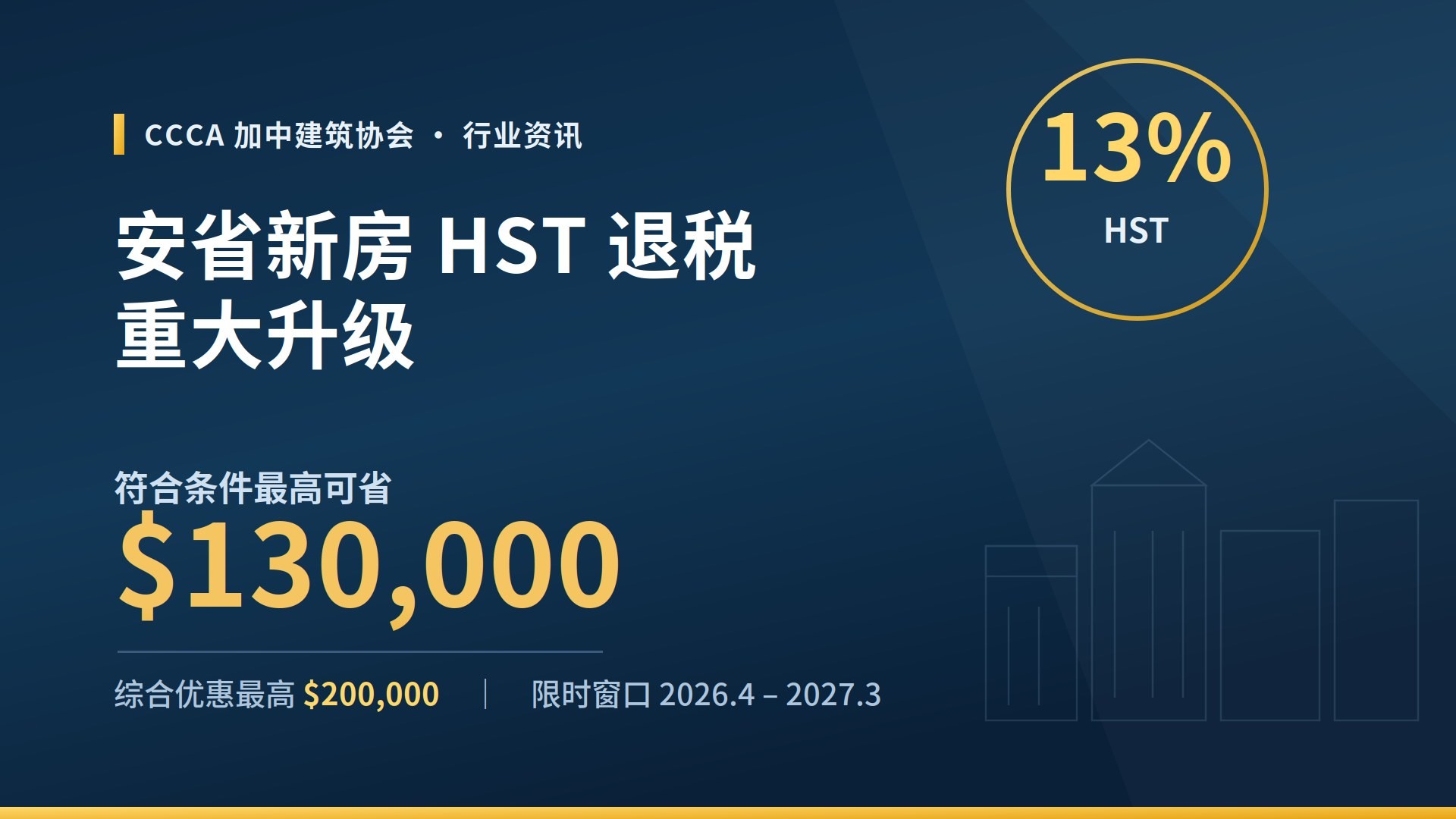
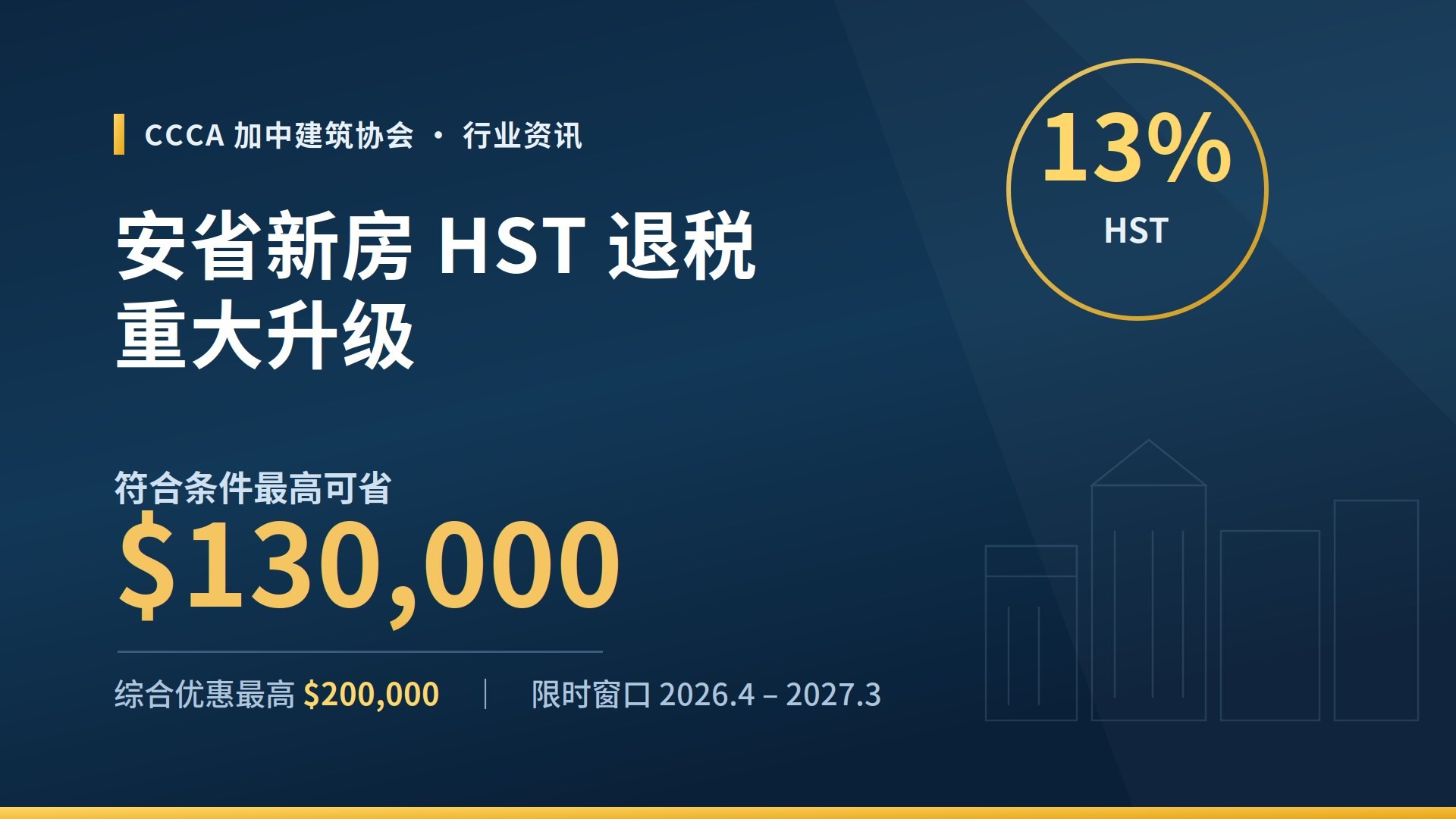
安省新房 HST 退税重大升级,符合条件最高可省 $130,000,综合优惠最高 $200,000,限时窗口 2026 年 4 月至 2027 年 3 月|CCCA 加中建筑协会

In 2026, Ontario's housing market is seeing one of the largest home-buying tax incentives in recent years.

As a key part of the provincial government's “Building More Homes Faster” plan, Ontario and the federal government have jointly introduced a new set of new-home rebate measures. Eligible buyers of new homes could receive up to $130,000 in HST relief; combined with the parallel reduction of Development Charges, total savings on a new home could approach $200,000.

For families planning to buy a new home, real estate professionals, and developers alike, this is a policy well worth watching closely.

What is HST, and why does this policy matter?

When buying a home in Ontario, there is a distinction that is easy to overlook: buying a resale home generally does not attract HST, whereas buying a new home is subject to 13% HST (Harmonized Sales Tax).

That 13% is made up of two parts: the 5% federal GST and the 8% Ontario provincial portion. Although this tax is usually already built into the sale price the builder advertises, it is ultimately borne by the buyer.

Even before this new policy, Ontario already had a New Housing Rebate in place — whether you bought a new home to live in or to rent out long term, you could apply to recover part of the HST if you qualified. In most cases, however, that rebate was capped at roughly $24,000.

The newly introduced Ontario Enhanced New Housing Rebate (Ontario ENHR) raises that ceiling substantially: new homes valued at $1 million or less can receive the full 13% HST relief, and eligible buyers could receive up to $130,000 — well above the previous maximum of about $24,000.

In short, the central aim of this policy is to lower the cost of buying by refunding the HST originally embedded in a new home's price, stimulate demand in the new-home market, and encourage builders to accelerate construction.

How much can you save?

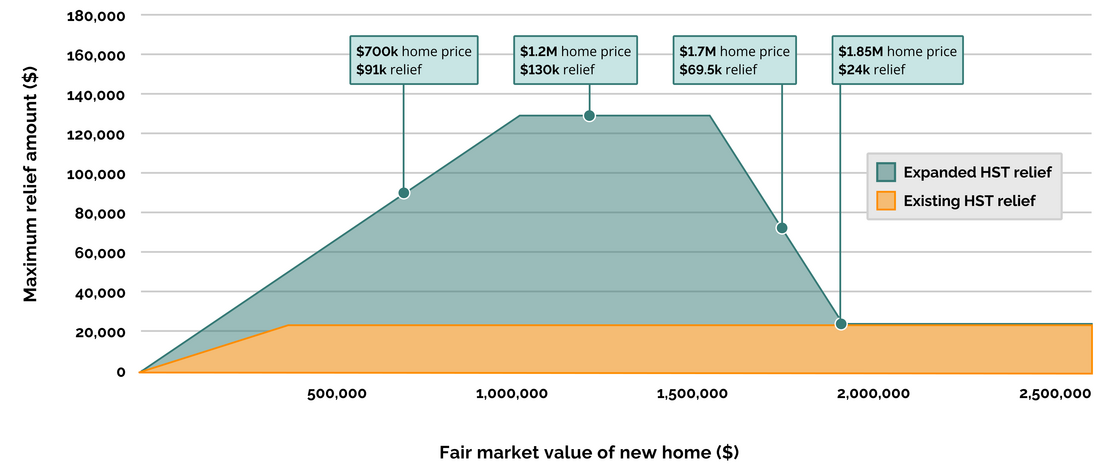
The rebate is calculated based on the home's value. According to figures published by the Ontario government, a $500,000 new home could receive the full 13% relief of $65,000; a $700,000 home, about $91,000; a $1 million home reaches the maximum of $130,000; a $1.2 million home is still capped at $130,000; at $1.7 million the relief drops to roughly $69,400; and homes valued at $1.85 million and above receive a maximum of about $24,000.

Overall, new homes valued at roughly $1 million to $1.5 million stand to benefit the most from this round of relief.

Chart showing the maximum Ontario enhanced HST new housing rebate by a new home's fair market value: relief peaks at $130,000 for homes valued about $1 million to $1.5 million and falls to $24,000 for homes at $1.85 million and above. Source: Government of Ontario

How is the $130,000 made up?

The rebate actually comes in two layers.

The first layer is the 8% Ontario provincial portion, provided through the Ontario Enhanced New Housing Rebate (Ontario ENHR), with a maximum rebate of $80,000.

The second layer is the 5% federal portion. First-time home buyers can recover it through the federal First-Time Home Buyer GST Rebate; for other eligible buyers, Ontario provides an additional amount equivalent to that 5% (the Ontario Top-Up) to make up the difference.

Together, the two layers form the maximum $130,000 in HST relief.

Who is eligible to apply?

This round of relief applies to new or substantially renovated homes, not to ordinary resale transactions. Eligible home types include detached houses, semi-detached houses, townhouses (townhouse / rowhouse), condominium units, and owner-built homes.

The main groups who benefit include the following:

1. Families buying a new home to live in. Buying a new home from a builder and using it as the primary place of residence for yourself or a relation — not for rental, short-term rental, or pure investment.

2. Families build a home to live in. Building a home yourself, or hiring a builder to construct one, on land you own or lease, and using it as the primary place of residence for yourself or a relation.

3. Owners of new long-term rental homes. Owners who buy or build a new home for long-term rental may also qualify, but under a separate program — the New Residential Rental Property Rebate (NRRPR). Note that this program is for long-term rentals where the tenant uses the home as their primary residence; it does not cover short-term rentals such as Airbnb, and the forms and timelines differ from those for owner-occupied homes.

4. First-time home buyers. In addition to the Ontario ENHR, first-time buyers may also be eligible for related federal and Ontario first-time-buyer rebates, with the final rebate calculated in whichever way is most favorable to the buyer.

5. Purpose-built rental projects. Qualifying purpose-built rental housing projects are covered by a separate HST relief measure, mainly relevant to developers and institutional investors.

Key dates to remember

This is a time-limited incentive, so the dates of signing and construction matter — and they differ from one situation to another.

Buying a new home to live in: the Agreement of Purchase and Sale (APS) with the builder must be entered into between April 1, 2026 and March 31, 2027; construction must begin on or before December 31, 2028, and the home must be substantially completed on or before December 31, 2031.

Owner-built homes: Construction must begin between April 1, 2026 and March 31, 2027, and the home must be substantially completed on or before December 31, 2029.

Long-term rental homes (NRRPR): applies to qualifying new long-term rental properties and is subject to the relevant signing, construction-start, and completion requirements; it does not apply to short-term or vacation rentals.

First-time home buyer rebate: applies to buyers who enter agreements of purchase and sale between March 20, 2025 and December 31, 2030; for new homes valued up to $1 million, the full 8% provincial portion can be relieved.

Purpose-built rental projects: apply to projects that begin construction between September 14, 2023 and December 31, 2030; qualifying projects can receive up to the full 13% HST relief.

When applications open: according to the CRA, the updated forms — GST190, RC7190-ON and others — are expected to be gradually released by mid-July 2026; buyers who sign and qualify before then will still be able to apply later and receive their rebate.

How to claim the rebate

There will be two main ways to claim.

Option one: credited directly at closing. Starting around mid-July 2026, builders are expected to be able to credit the eligible rebate amount directly to the buyer at closing. For the buyer, this effectively reduces the amount payable at closing.

Option two: apply to the CRA yourself. Eligible buyers can also submit the relevant forms (GST190 and the accompanying RC7190-ON) to the CRA after closing, with the government assessing and issuing the rebate. The Ontario Top-Up portion is paid separately by the Ontario government once the rebate has been assessed.

One important note: the total of all rebates for the 8% Ontario provincial portion cannot exceed the lesser of $80,000 and the 8% provincial tax actually payable on the home, nor can it exceed the tax actually paid or payable — in other words, you cannot get back more than the tax you actually paid.

Not to be overlooked: lower development charges

Beyond the HST rebate, another important measure in this housing package is the reform of Development Charges.

Development charges are fees that municipalities levy on new construction projects to fund public infrastructure such as roads, water supply, and sewers. In recent years these costs have steadily risen and have become one of the significant factors pushing up new-home prices — in some municipalities, the development charges on a single new home exceed $100,000. In Toronto, for example, the development charges borne by the buyer of a semi-detached home approach $140,000.

To ease the cost of building housing, Ontario and the federal government plan to invest $8.8 billion over the next ten years in housing-enabling infrastructure, using it to encourage municipalities to lower development charges — municipalities must reduce these charges by up to 50% to qualify for the funding. The province is also requiring clearer disclosure of these fees in new-home agreements so buyers that can clearly see the costs they are actually carrying.

It is precisely the combination of the HST rebate and lower development charges that underpins the province's stated goal of “combined savings of up to $200,000.”

CCCA's perspective

From an industry standpoint, this round of new-home rebates not only lowers the cost of entering the market for buyers, but also injects fresh confidence into a new-home market that has faced challenges. For buyers, it is a rare large-scale tax break; for developers, it can help stimulate demand and improve the sales environment for projects; and for the construction industry, it has the potential to further drive housing supply, echoing the government's long-term goal of building homes faster.

It is worth noting that this round of relief covers not only first-time buyers but also ordinary owner-occupier buyers, long-term rental property investors, and purpose-built rental development projects — a far broader reach than previous new-home rebate programs.

Grand Opening of Midea's 4th HVAC Store in Ontario!

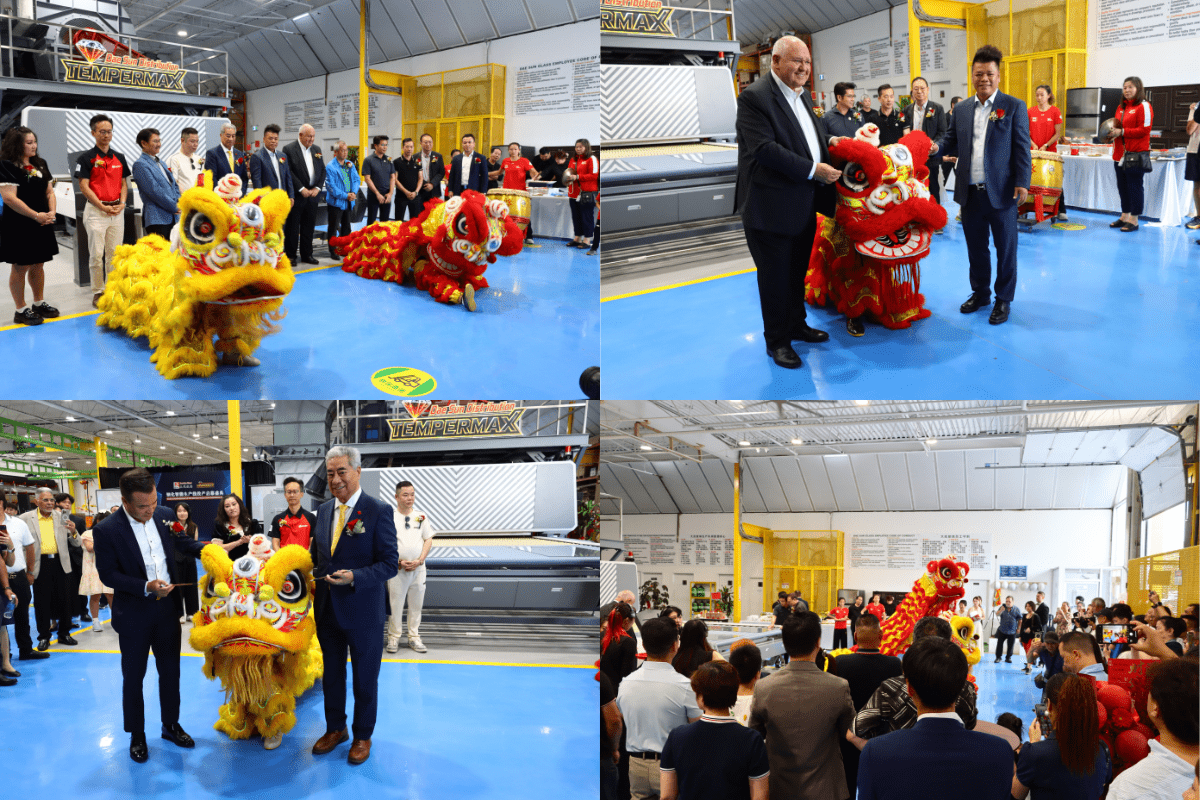
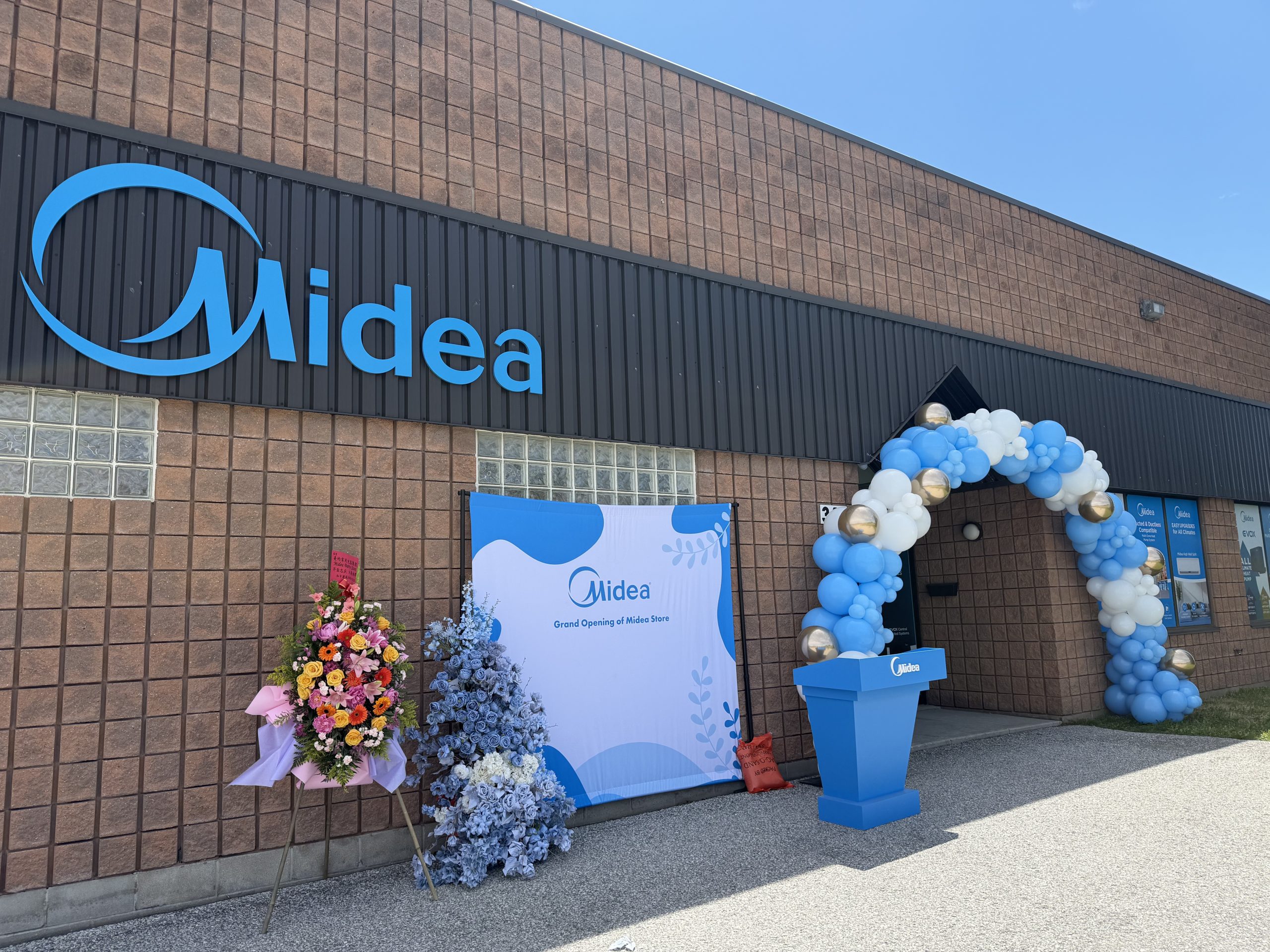
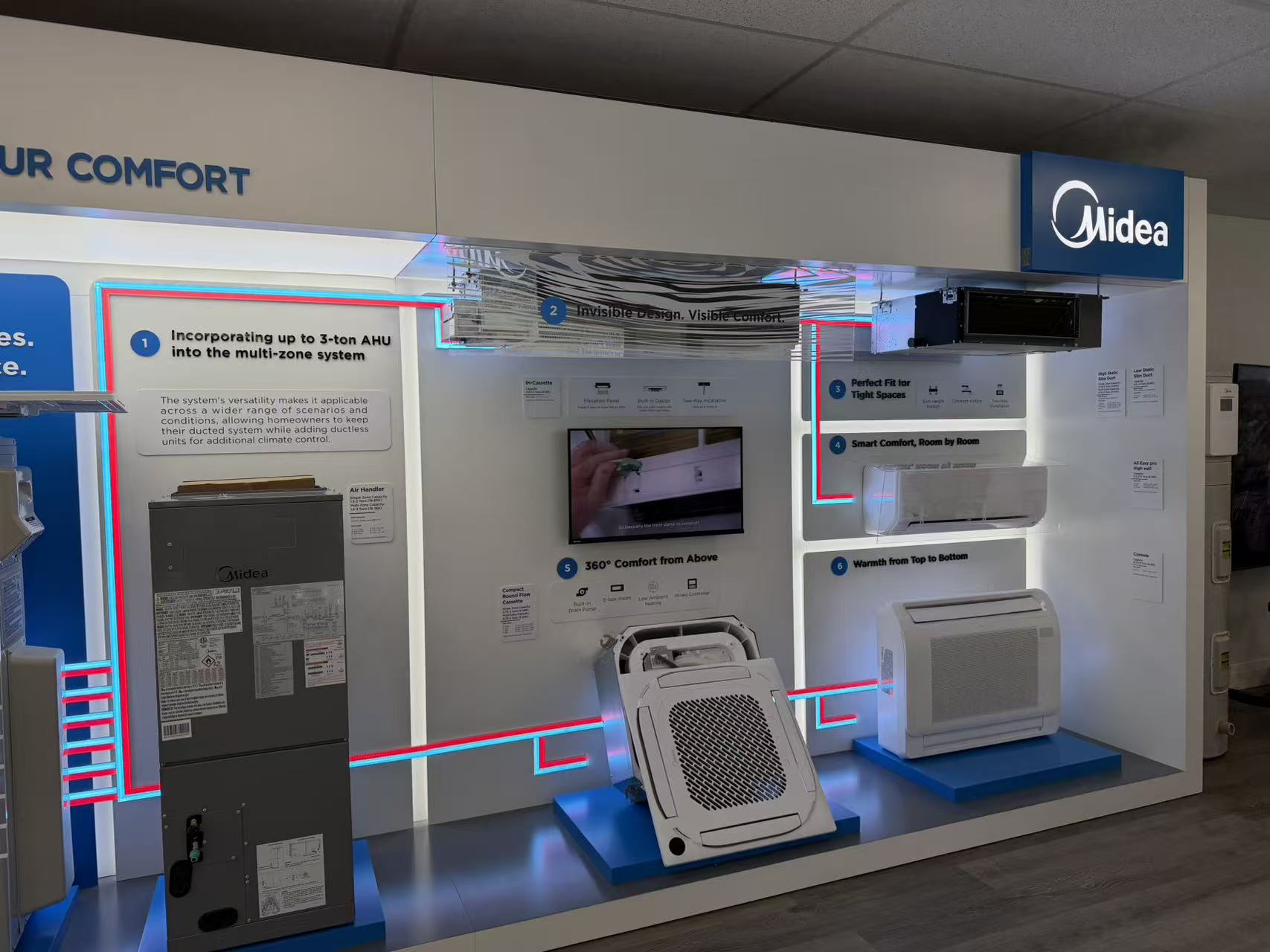
On June 15, 2026, led by Alex Huang, President of CCCA (Canadian Chinese Construction Association), the association's directors and member representatives attended the grand opening of the Midea Barrie Store — operated by CCCA member company Ascend Group — joining in the celebration of another important milestone in the company's journey.

Midea is a globally recognized brand in home appliances and HVAC, with products spanning heat pump systems, central and ductless air conditioners, heat pump water heaters, and ventilation systems, providing efficient and energy-saving HVAC solutions for both residential and commercial projects. As demand for green building and energy-efficient homes continues to rise in the Canadian market, high-efficiency HVAC equipment is becoming an increasingly important part of the construction industry's development.

The newly opened Barrie store is Midea's 4th location in Ontario, following Mississauga, Ottawa, and London. The opening of the new store further strengthens the brand's service network in Ontario and reflects the company's confidence and strategic commitment to deepening its presence in the Canadian market.

A Festive Grand Opening with Distinguished Guests

The grand opening was held in a lively and celebratory atmosphere, bringing together numerous industry partners, business leaders, and community representatives to witness this important moment. Several municipal officials attended in person and presented congratulatory letters and best wishes, recognizing the company's contributions to local economic development, job creation, and community building.

Supporting the Growth of Member Companies

As a CCCA member company, Ascend Group has steadily expanded its business footprint in recent years, encouraging results. A CCCA delegation made a special visit to extend its congratulations and presented a flower basket to mark the opening.

In his remarks, President Alex Huang noted that the association consistently follows the development of its member companies and is glad to see them grow and thrive. The successful opening of the Midea Barrie Store reflects not only the dedication and perseverance of the company's team, but also the rising influence and competitiveness of Chinese-owned businesses in the Canadian market.

During the event, CCCA members engaged in in-depth exchanges with company representatives, industry guests, and friends from various sectors, further fostering resource connections and collaborative ties in a warm and friendly atmosphere.

Growing Together, Building the Future

CCCA has long been committed to building a platform for business exchange and cooperation, promoting resource sharing and win-win collaboration among its members. Going forward, the association will continue to serve as a bridge, connecting quality enterprise resources and advancing exchange and development across the construction, real estate, and related industries.

On this special occasion, CCCA extends its sincere congratulations to Ascend Group and the Midea Barrie Store, wishing the company continued success, flourishing business, and ever-greater achievements!

We also look forward to seeing more member companies innovate and grow steadily, together injecting new vitality into the Canada-China business community and contributing even more to the prosperity of our community.

CCCA Visits a Canadian Charitable Organization – Mon Sheong Foundation

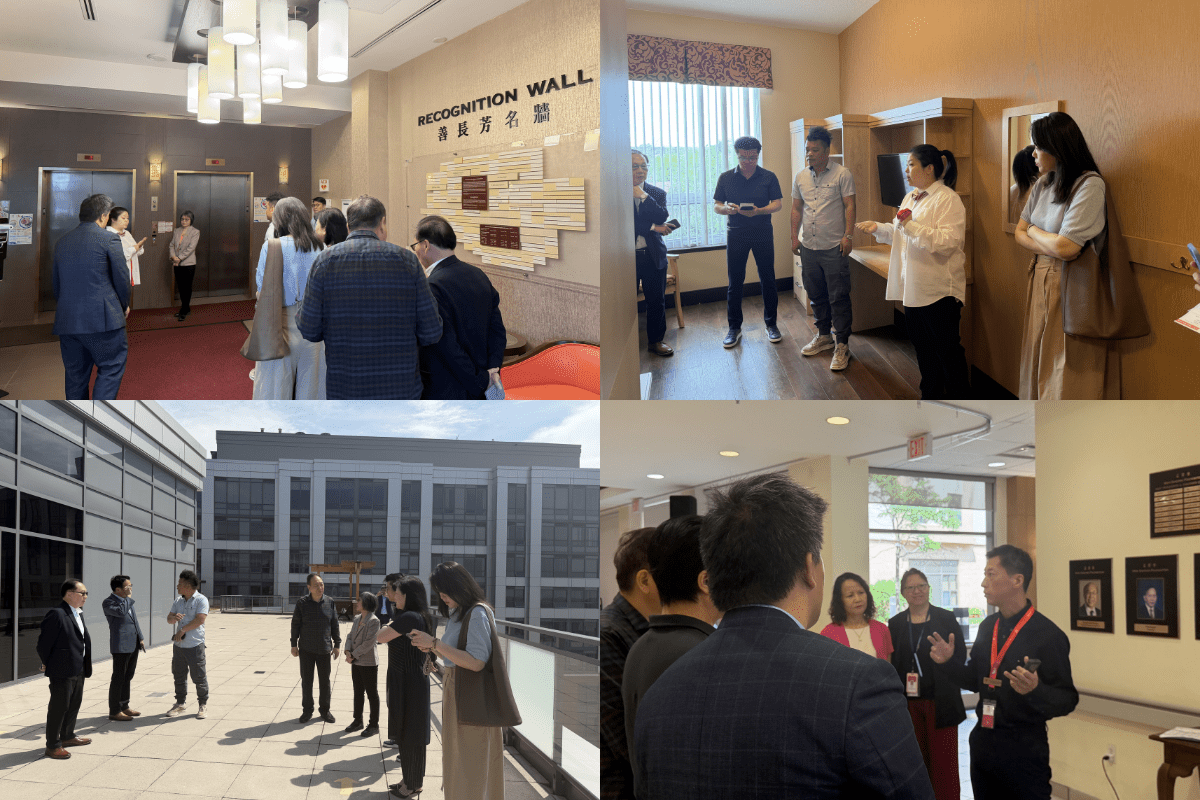
On June 11, 2026, a delegation from the Canadian Chinese Construction Association (CCCA), led by President Alex Huang and Founding President and Chief Supervisor Raymond Wan, visited the Mon Sheong Foundation's integrated care community in Richmond Hill. It was the association's first time stepping inside a Canadian senior-care home to see, up close, how it operates and how it cares for its residents. For an organization rooted in the building industry, the visit was more than a tour: how senior-care facilities are built, and how well they fit the bodies and daily lives of older adults, is precisely where the industry and the community meet.

The Delegation

The visiting delegation consisted of CCCA directors and member representatives. Those attending included President Alex Huang (Amway Power Engineering), Founding President and Chief Supervisor Raymond Wan (Oriental Architecture), Vice President Chi Wing Yan, Secretary-General Iris Zhu (Irisky Wealth Management), Chief Financial Officer Jenny Li (Wisetronic), Director William Cao (Hongfeng Windows and Doors), Director Andy Gao (Dacheng Glass), and Head of Development Sue.

On the Mon Sheong side, the delegation was received by Chief Operating Officer Eumie Leung, together with Director of Development & Communications, Director Wong Chan Yuk, Deputy Director of Development, Kang Kai (Project Planning Officer) and Donation Coordinator, who guided the group throughout the visit.

Mon Sheong Foundation: Six Decades of Community Eldercare

The Mon Sheong Foundation integrated care community in Richmond Hill

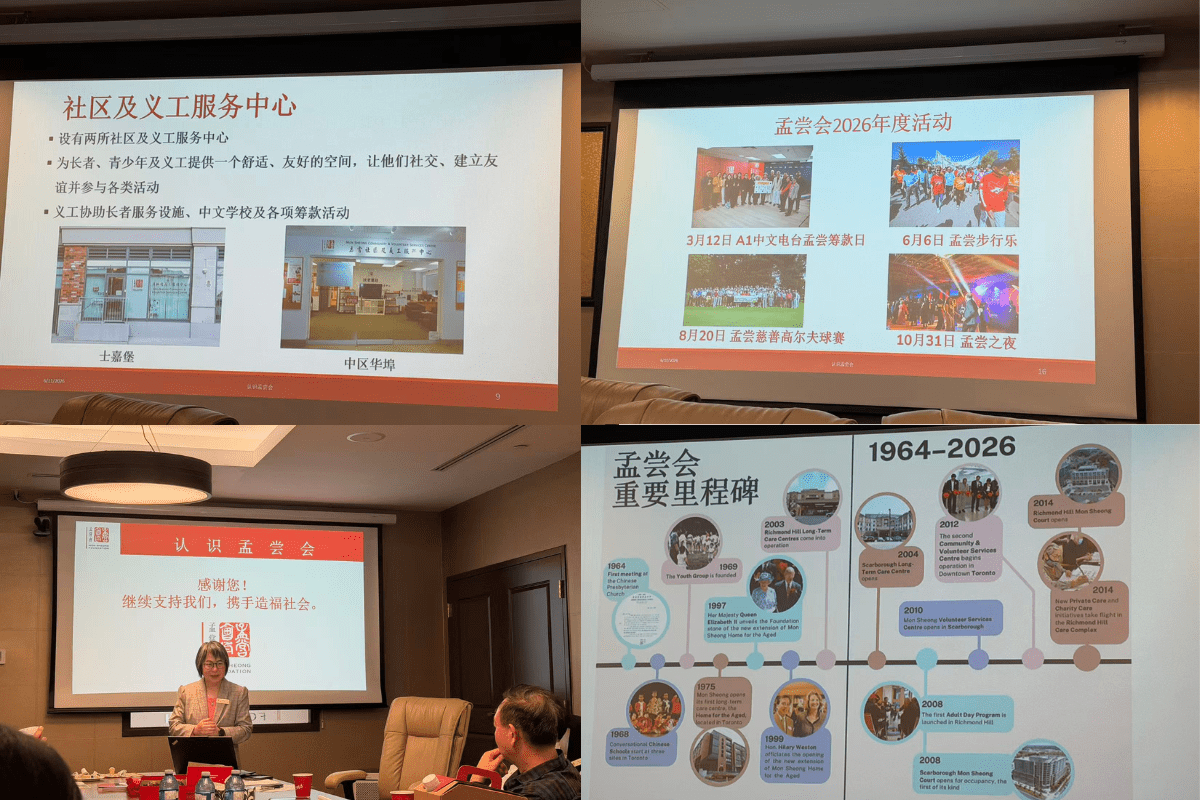
Founded in 1964, the Mon Sheong Foundation is Canada's first registered Chinese charitable organization. Its name comes from Lord Mengchang, and its mission is to care for the elderly, encourage the young, and promote Chinese culture. Over more than sixty years it has grown into the largest non-profit long-term care operator in Ontario, currently running 1,001 long-term care beds alongside senior apartments, adult day programs, a Chinese school, and other services. The Richmond Hill campus we visited brings three different levels of senior care together in one place, forming a clear spectrum from independent living to full nursing care.

Three Care Models

Resident living quarters on the campus

The first is the Senior Apartment (also known as Mon Sheong Court), which offers a safe and comfortable home for seniors who are independent and mobile. Designed for those aged 55 and over, units are individually purchased with no waiting list. It features 24-hour closed-circuit television monitoring, emergency medical call systems in both rooms and corridors, and a dining room offering a variety of meals along with meal-delivery service. The building also houses a recreation room, an elegantly designed dining hall, a library, a clinic, and a pharmacy, so that residents can meet all their daily needs without leaving home.

The second is Private Care, for those needing daily assistance. It requires no waiting and is privately paid. Many families choose it precisely because the wait for government-funded long-term care is simply too long to bear.

The third is the Long-Term Care Centre, for adults aged 18 and over who require 24-hour health care. It is government-funded, with rates set by the province and standard across Ontario.

Between Supply and Demand: A Community Issue Worth Facing

Waiting lists were an unavoidable theme of the visit. According to the Ontario Long Term Care Association, more than fifty thousand people across the province are currently waiting for a long-term care bed; and according to the Mon Sheong Foundation, the average wait across its own homes is about five to seven years. Behind these figures is a clear trend: the population is aging rapidly. In York Region, the senior population is projected to roughly triple over the next two decades, making the pressure on care beds ever more acute.

For CCCA, this is the moment the issue turns from abstract to concrete — because the other side of a bed shortage is a test of our capacity to build.

Senior-Care Facilities Are, at Heart, a Building Challenge

Care and living facilities inside the home

Once inside, it becomes clear that a senior-care home differs fundamentally from ordinary housing, with many features approaching hospital standards: dedicated nursing areas, physiotherapy rooms, and on-site doctors and nurses. The space itself is designed around the bodies of its residents — beds that raise, lower, and roll for easy transport; dining tables and chairs adjustable in height; activity rooms and dining halls placed on the same floor so residents need not constantly move between levels by elevator.

New facilities push these standards further. Among the Mon Sheong Foundation's current expansions in York Region, the new Long-Term Care Center at 30 Apple Creek Blvd. in Markham is an eleven-storey, 320-bed building expected to be completed in mid-2026, set to become the largest long-term care home in the city; a second home in Richmond Hill will offer 288 beds and is expected to be finished by the end of 2027. Once both open, the Foundation will operate seven long-term care centers with roughly 1,609 beds in total. These new homes emphasize Infection Prevention and Control (IPAC), with each room fitted with its own HVAC system and a private washroom — all of them real, tangible contributions from the building industry.

Building to meet need is among the most direct contributions the industry can make to the community — including in the many areas where smaller builders and suppliers can take part.

Cultural Belonging: The Other Half of Aging Well

A rich slate of daily activities for residents

Beyond the facilities, what stayed with us was Mon Sheong's care for cultural belonging. Here the meals are Chinese, the television plays Chinese-language dramas, notices and printed materials are bilingual, and residents play mahjong and sing karaoke together. The home also organizes a rich slate of activities — dim sum, bus outings to visit temples, group hikes, and singing competitions. A pair of couplets is posted at each resident's door, and when someone has a birthday, a “Happy Birthday” banner appears above it.

These details point to something simple: for Chinese seniors, being able to grow old amid familiar language, food, and customs is a need that generic facilities cannot easily replace — and it is exactly why community-rooted organizations matter.

From Understanding to Action: Fundraising for Mon Sheong

Understanding is only the first step; what matters more is action. Recognizing how urgently the community needs more senior-care beds, the CCCA has chosen to lend concrete support to the Mon Sheong Foundation by helping raise funds for the development of its new long-term care homes, so that more seniors can sooner find a place to call home. For the association, this is both a tribute to an organization that has served the community for six decades and a tangible way for the building industry to give back and take part in meeting a real social need.

CCCA's Takeaways and Responsibility

The CCCA delegation during the visit

The visit gave the association a clearer view: senior care is at once a livelihood need and an industry question. The supply of beds, the standard of facilities, and the dignity of residents all come back to building well, and building right. As a platform for sharing industry information, CCCA intends to keep paying attention to senior care and age-friendly construction, connecting the industry's professional knowledge with the community's real needs. Everyone grows old; being cared for with dignity, within a familiar culture, is something worth safeguarding together as a community.

CCCA Visits Member Company — Winford Windows


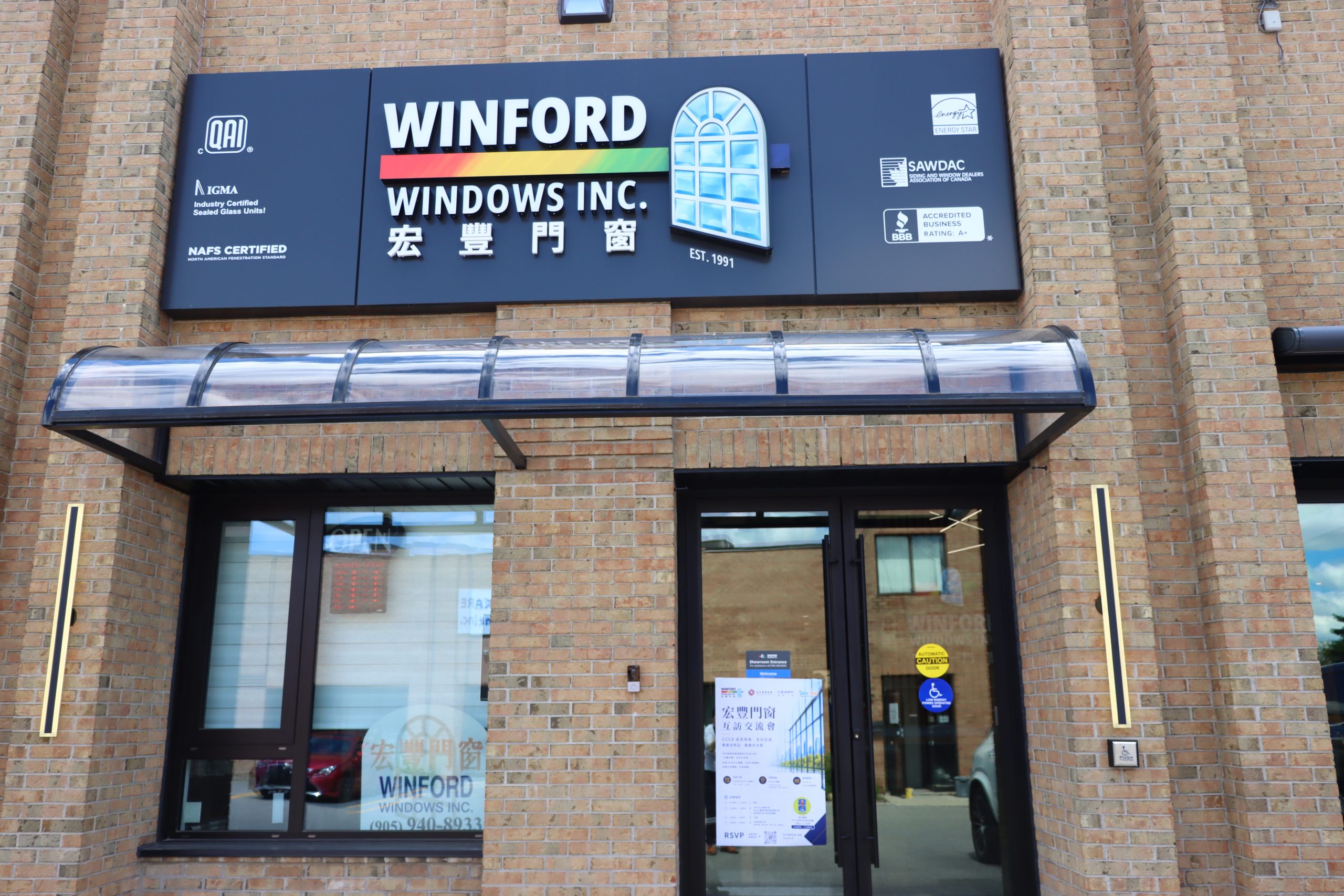
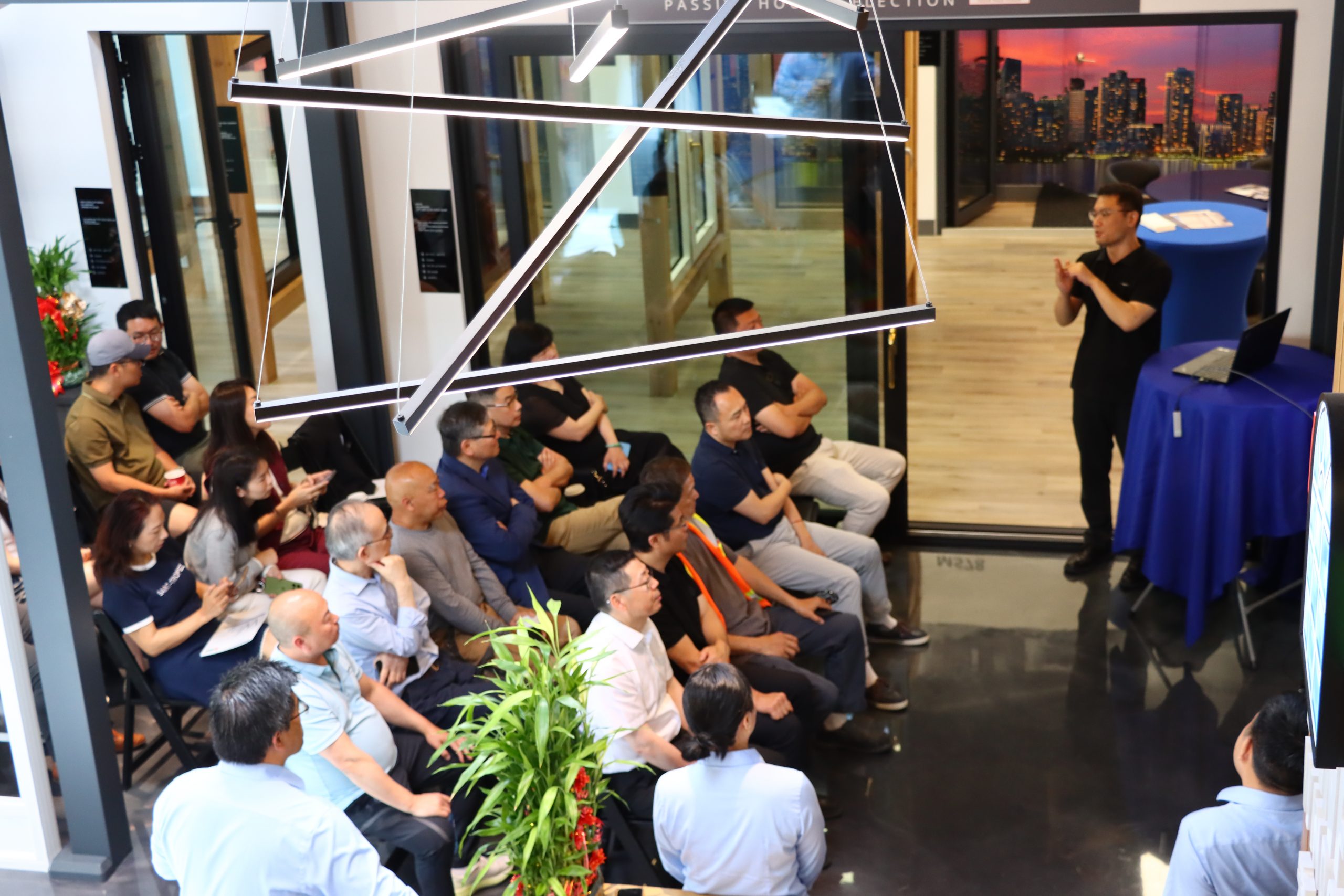
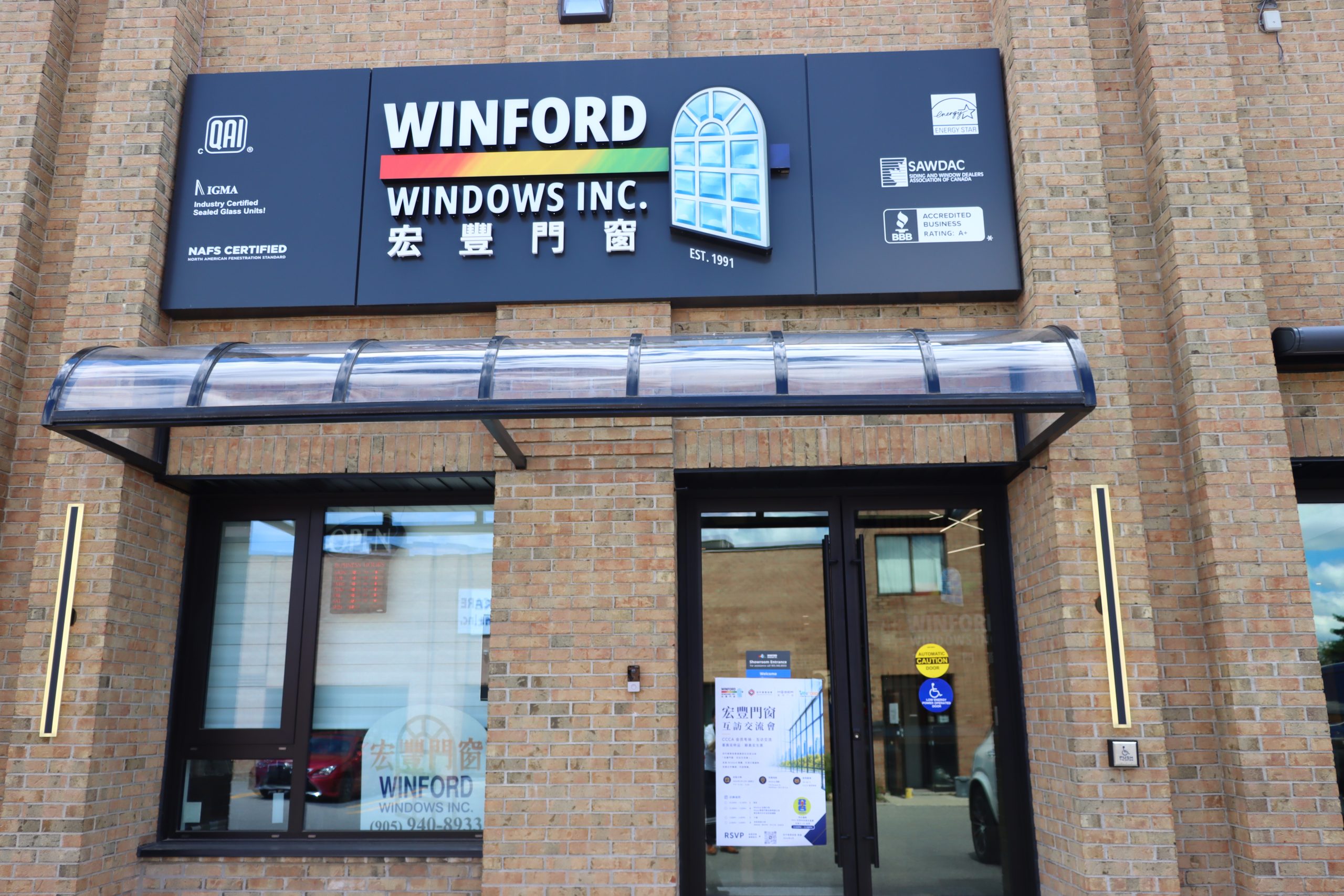
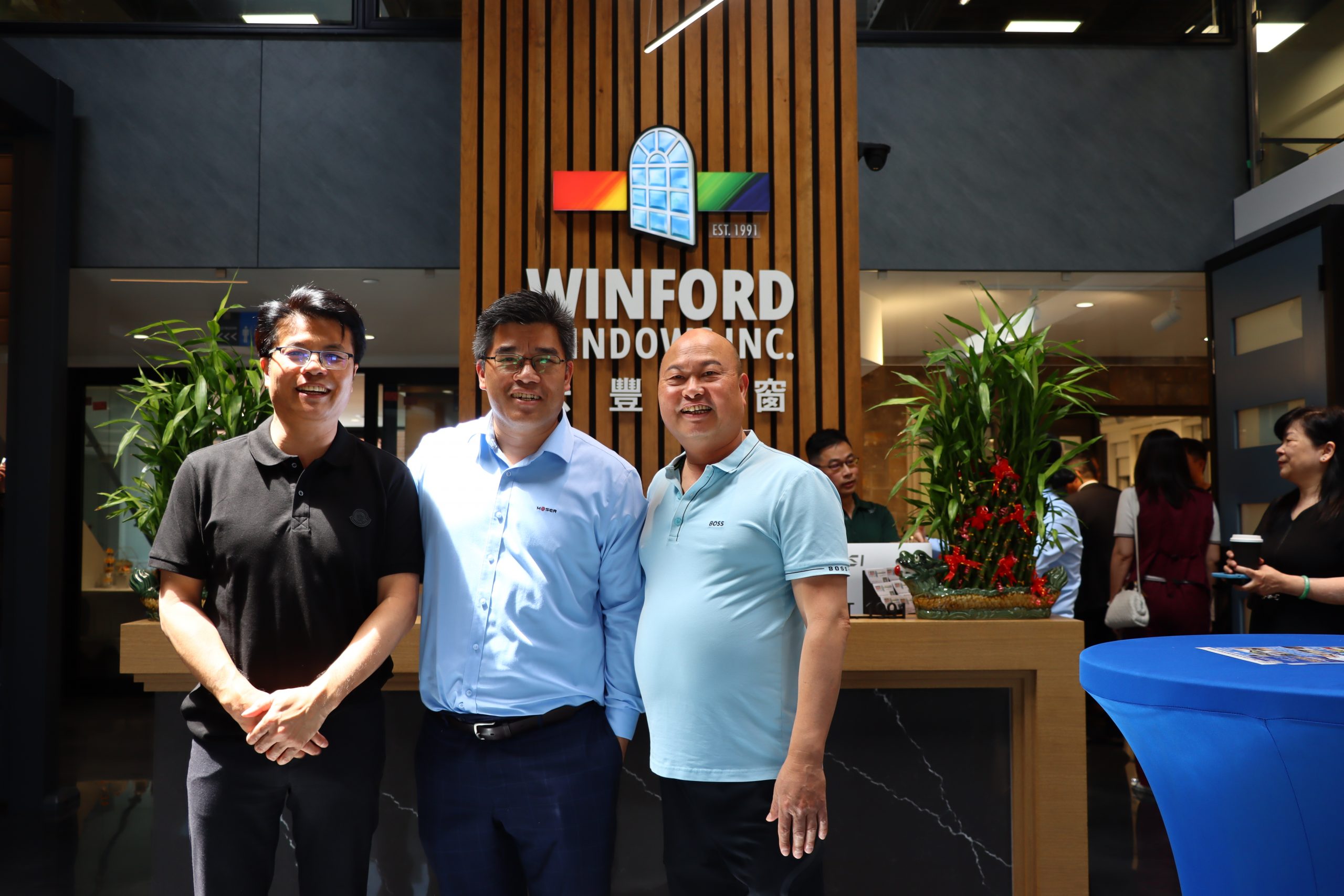
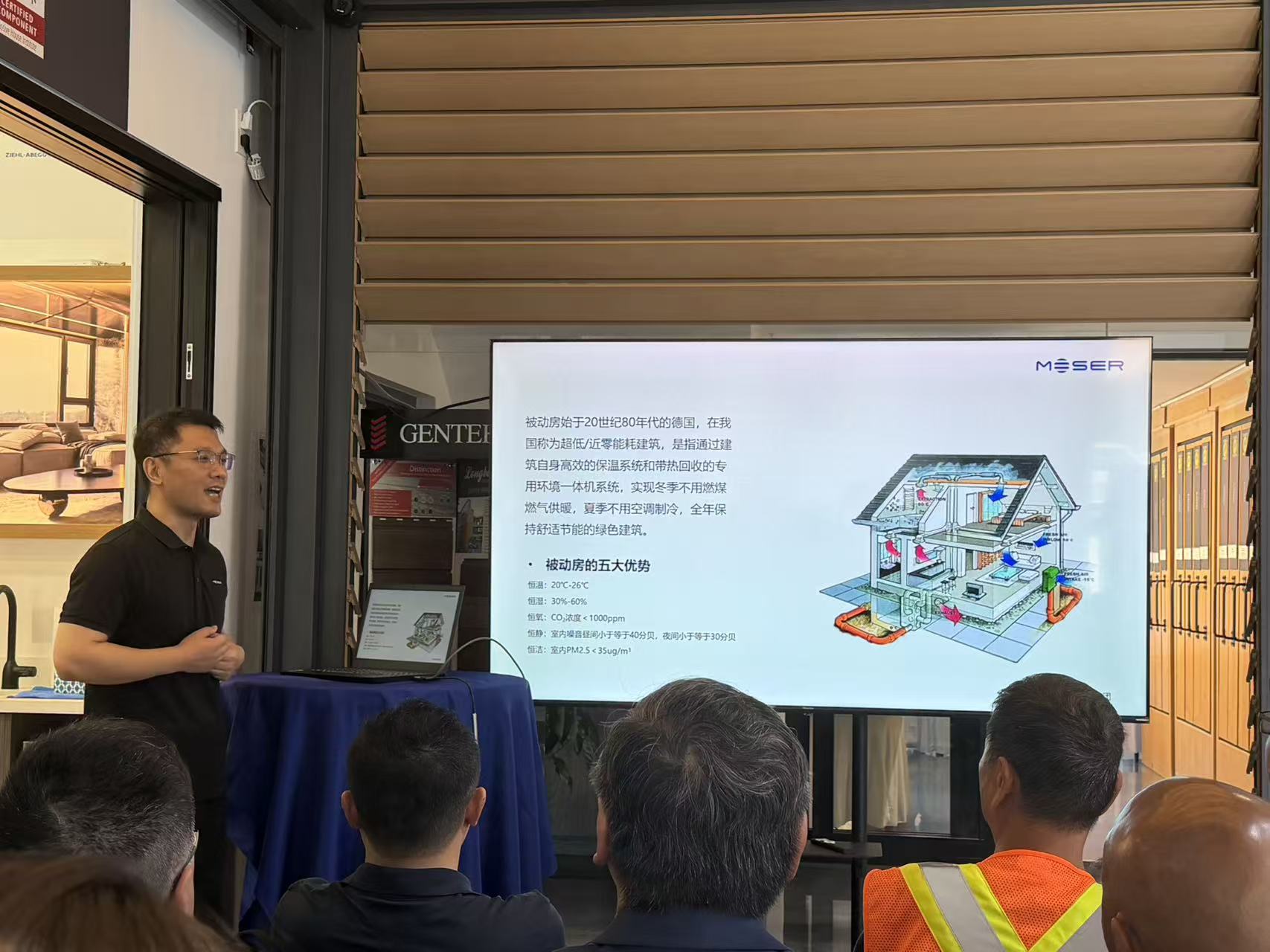
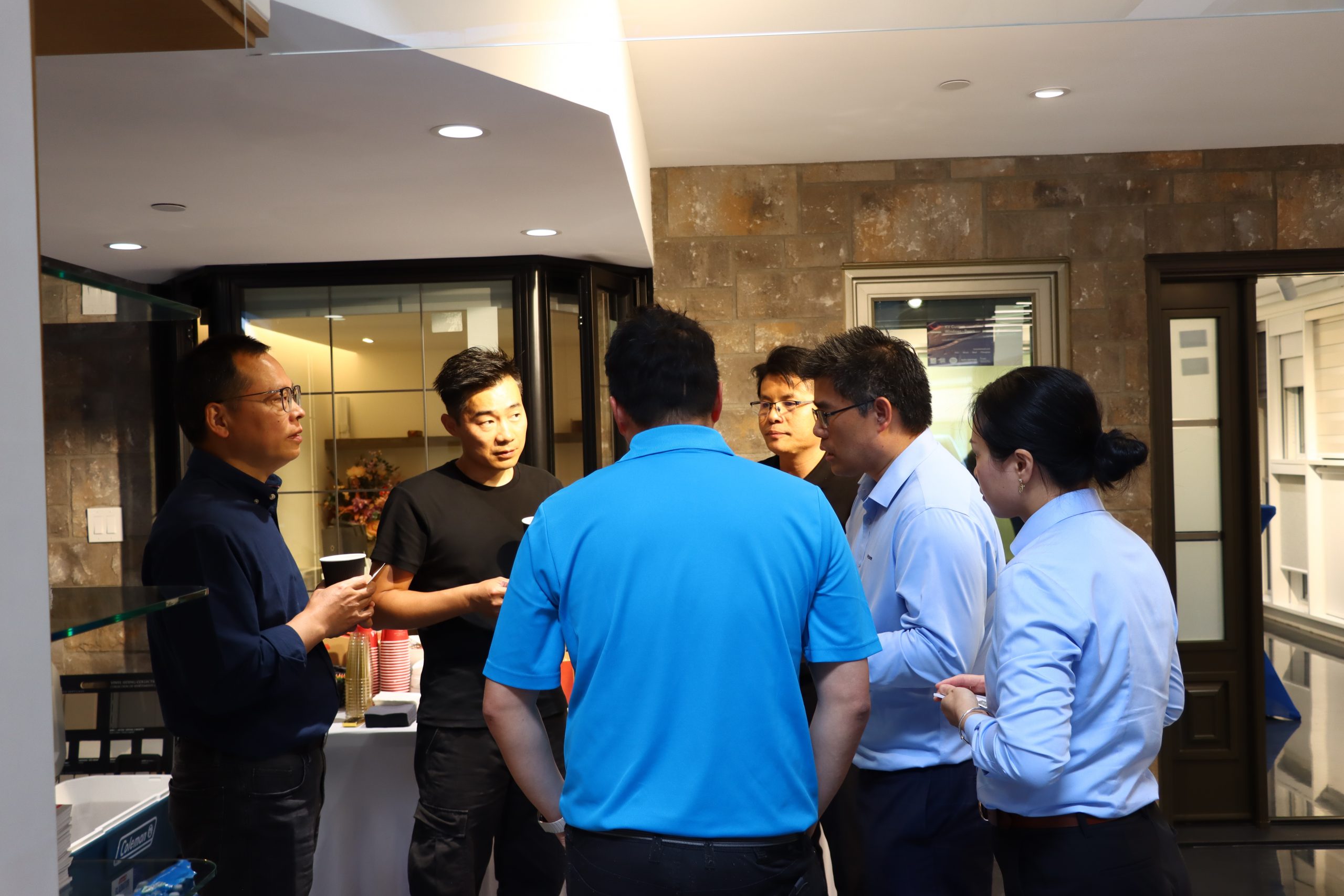
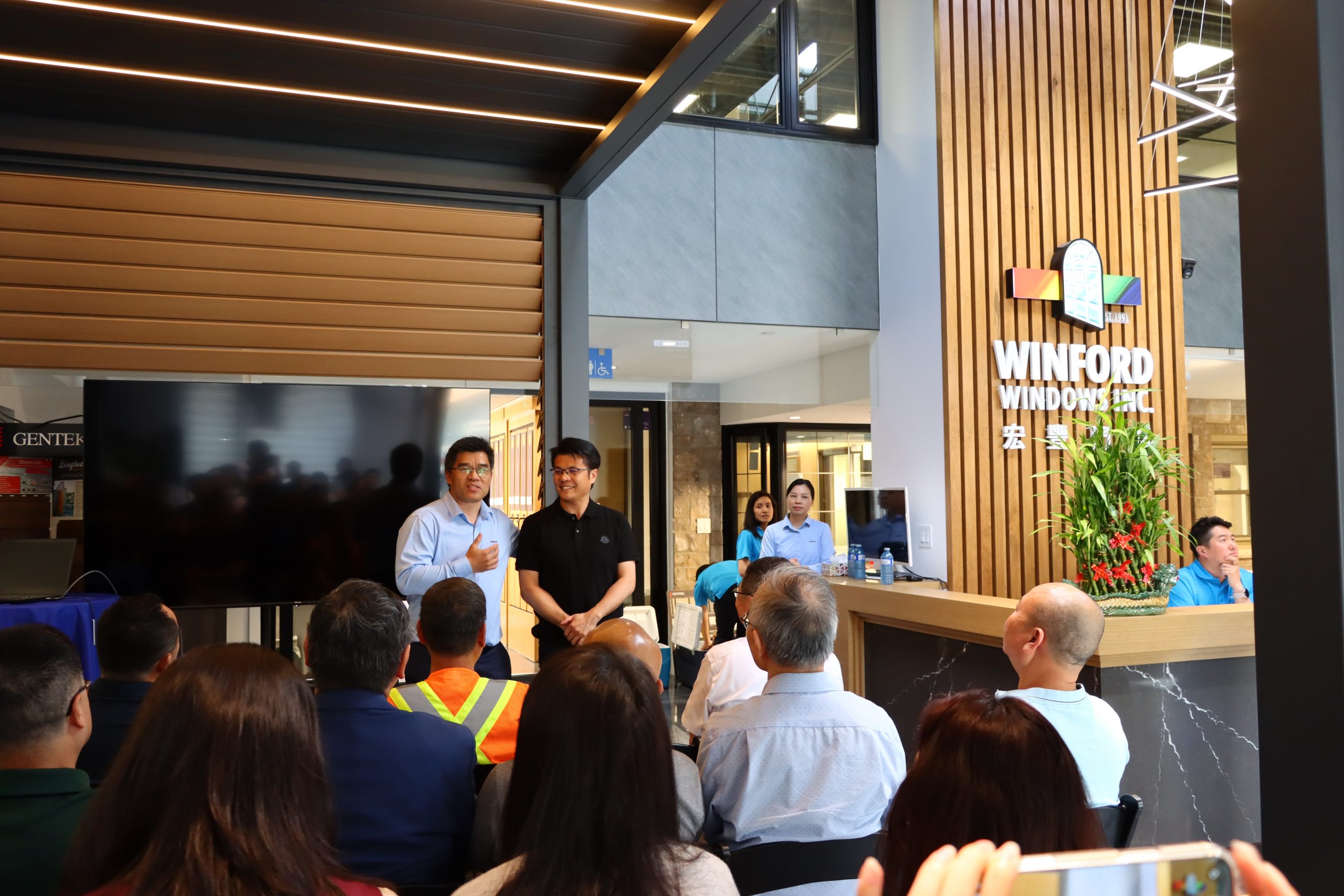
On Friday, June 12, 2026, the Canadian Chinese Construction Association (CCCA) organized a member visit to one of its member companies, Winford Windows Inc. Together with the teams from Moser Windows and Doors and Winford Contracting Inc., CCCA hosted a member exchange gathering. Members from across the construction, development, design, renovation, real estate, engineering, and supply chain sectors came together to tour the showroom, learn about the products, and share industry insights over a full and enjoyable day.

A Showroom Tour: High-Performance Doors and Windows Up Close

The Winford team led guests through its showroom of doors, windows, and building envelope systems. The building envelope refers to the parts of a structure — exterior walls, doors, windows, and roofing — that separate the indoors from the outdoor environment, and it has a direct impact on a building's insulation, sound control, and energy use. real-world projects.


Technical Sharing: Green Building and Passive House

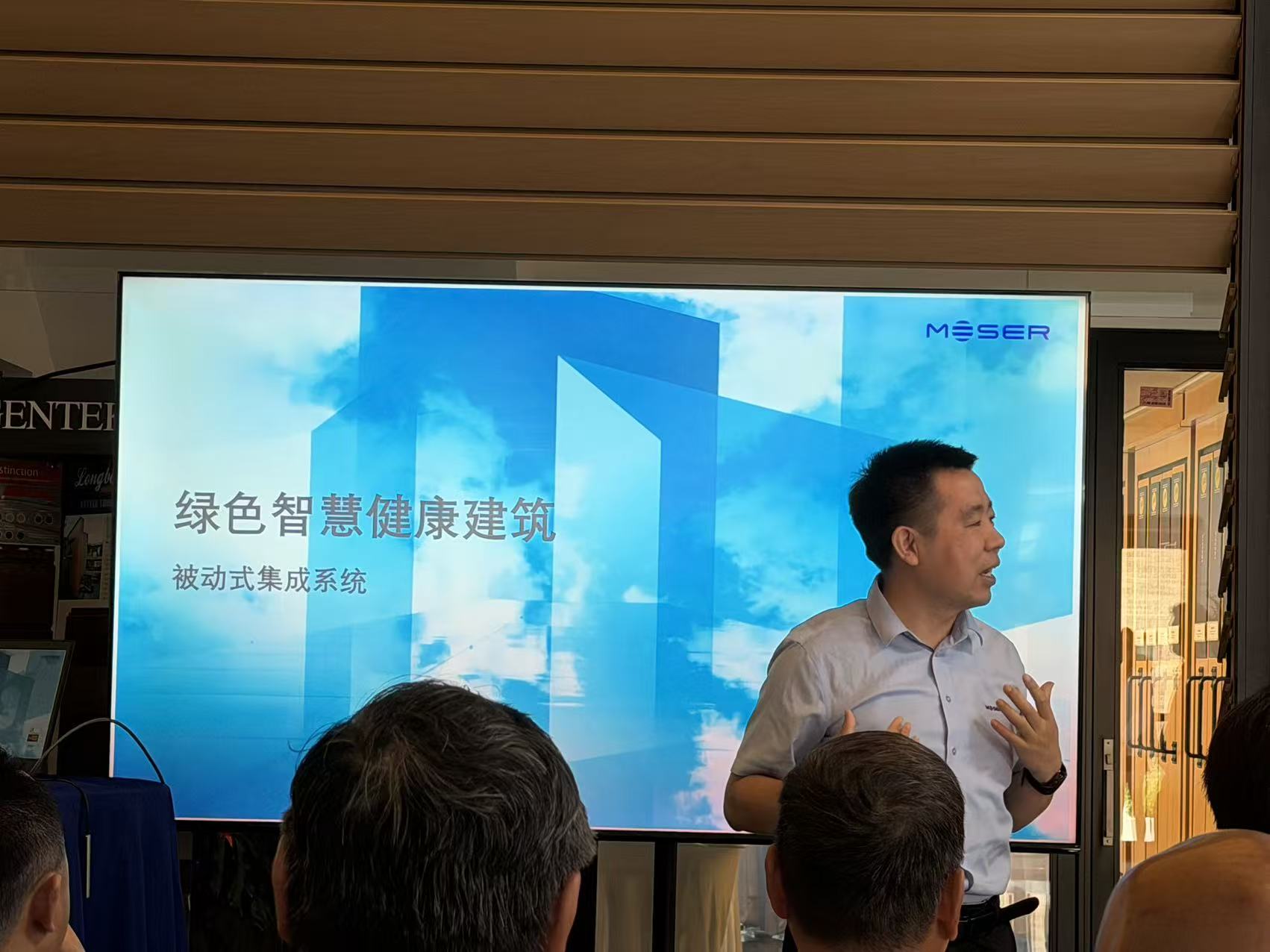
The Winford and Moser teams share their perspectives on the direction of the door and window industry, product applications, and the latest technologies, with a particular focus on Green Building, Passive House, high-performance window systems, and thermal and acoustic insulation. Passive House is a building standard that dramatically reduces heating and cooling energy use through excellent insulation, airtightness, and ventilation design — and high-performance windows are one of the key elements in achieving it. Through the technical presentations and side-by-side samples, attendees gained a deeper understanding of where energy-efficiency standards and market demand are headed.


Connecting and Exchanging: A Platform for New Partnerships

Beyond the technical learning, the event offered a valuable opportunity for industry exchange. The day also featured product demonstrations, technical talks, a networking lunch, and a live screening of Canada's FIFA World Cup match, giving a relaxed setting to swap experiences, meet new contacts, and explore potential collaborations. Members from different fields everyone took the chance to build connections and align resources, opening up new possibilities for future cooperation.


Moving Forward Together

CCCA believes that exchange creates value and collaboration drives growth. Going forward, the association will continue to organize member visits and industry exchanges, building platforms for resource sharing and fostering understanding and cooperation among member companies.


Our sincere thanks go to the teams at Winford Windows Inc., Moser Windows and Doors, and Winford Contracting Inc. for their warm hospitality and thoughtful arrangements, and to all the members who took part. See real samples, talk real business, make real friends — we look forward to seeing everyone again at the next event.

CCCA Honorary Chairman Victor Oh Reconnects with Foreign Minister Wang Yi During His Canada Visit

At the invitation of Canadian Foreign Minister Anita Anand, Chinese Foreign Minister Wang Yi paid an official visit to Canada from May 28 to 30, 2026 — the first visit by a Chinese foreign minister in ten years. During the visit he met with Prime Minister Mark Carney, held talks with Minister Anand, and met with former Prime Minister Jean Chrétien.

Chinese Foreign Minister Wang Yi meeting Canadian Prime Minister Mark Carney in Ottawa
Foreign Minister Wang Yi meets Prime Minister Mark Carney in Ottawa, May 2026.

Victor Oh, Honorary Chairman of the Canadian Chinese Construction Association and a former Canadian senator, has long worked to support newcomer integration and people-to-people exchange between Canada and China. According to his own social media post, he reconnected with Minister Wang Yi during the visit — having hosted him at the Canadian Parliament years earlier — and asked him to sign a photo he had kept for many years.

CCCA Honorary Chairman Victor Oh reuniting with Foreign Minister Wang Yi
CCCA Honorary Chairman Victor Oh reconnects with Foreign Minister Wang Yi.
Victor Oh and Foreign Minister Wang Yi meeting again in Canada
The two meet again, a decade on.
Foreign Minister Wang Yi signing a photo for Victor Oh
Foreign Minister Wang Yi signs a photo that Mr. Oh had kept for many years.
Victor Oh with visiting guests
Group photo during Wang Yi's visit to Canada
A group photo taken during the visit.

As a non-profit industry organization, the CCCA welcomes the normalization of trade and cultural exchange between the two countries, and hopes this momentum will create more room for practical cooperation across Canada's construction and related sectors.